Page 7 of 9

Little Troutbeck Dullstroom Review

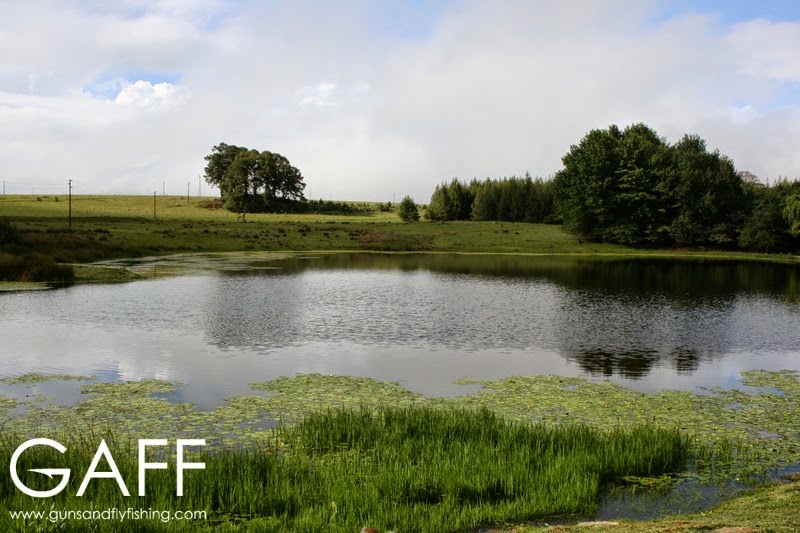
Only 19km from Dullstroom and overlooking the picturesque Elands River Valley lies Little Troutbeck. The 209 hectare working farm is situated midway between Dullstroom and Machadodorp and at 1900m above sea level, it plays host as an excellent cold water environment for Trout to thrive in. There are 11 dams on the farm (including Loch Logan a 3ha dam) which are all fed by the abundant natural springs on the farm and because of this the water is crystal clear all year round. The dams are stocked monthly with Brown, Rainbow and Golden Trout.
IMG_8873.jpg

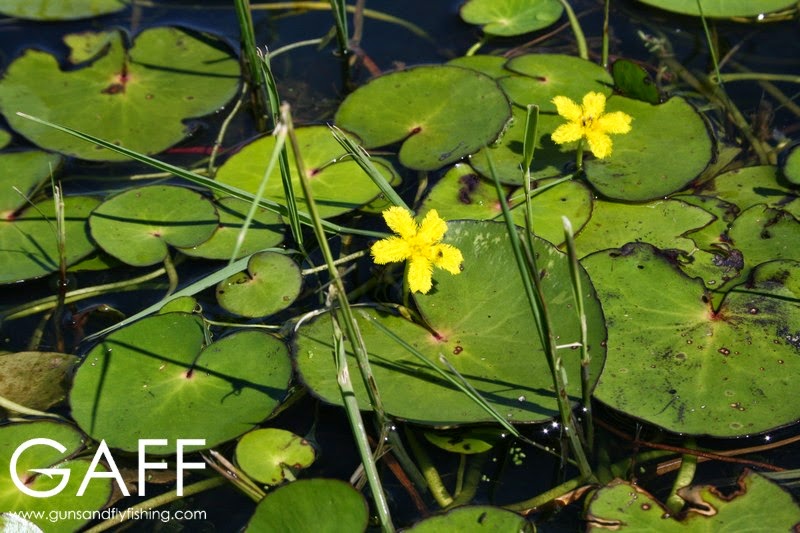
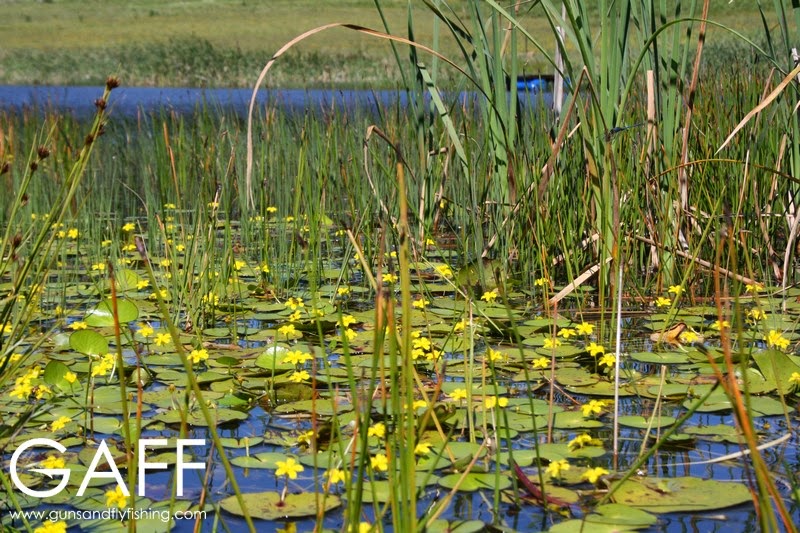
There are some spectacular fauna and flora on the farm and you can expect to encounter species such as Wild Ferns, Water Lilly’s and Terrestrial Orchids. There is also an abundance of birdlife on the farm and especially a wide variety of water fowl.
IMG_8890.jpg

The Managers of the farm is John and Wilma Hunter who are both very experienced and knowledgeable fly anglers. John was a competitive fly angler in Scotland for the better part of two decades and Wilma has been fly fishing since the age of 13. They are also the owners of The Village Angler fly fishing shop in Dullstroom and John also offers fly fishing tuition, fly tying lessons and his guiding services.
IMG_8935.jpg

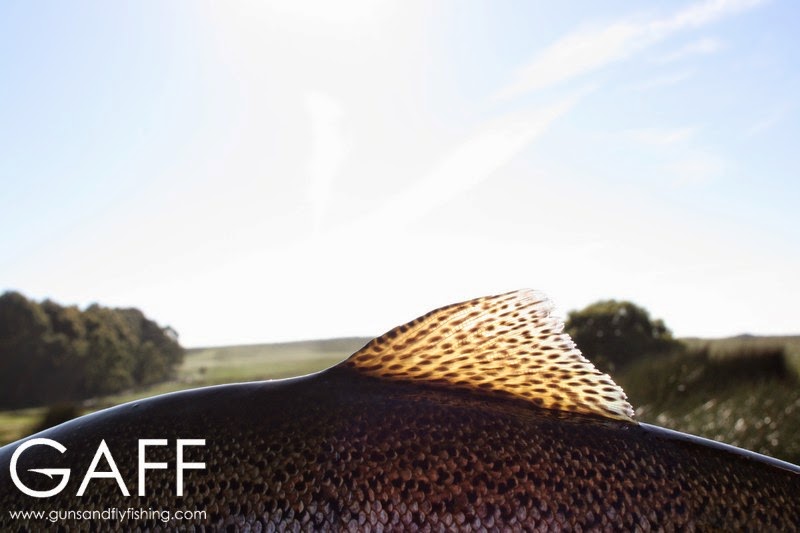
Little Troutbeck has hosted the Dullstroom Classic for a number of times and they have also won the prize for Largest Fish and Best Waters on previous occasions. There was a 13lbs Rainbow Trout caught earlier this year (2013) in Loch Logan and John himself said that Loch Logan could potentially deliver the new S.A. Record as he himself has seen and lost some colossal fish in the dam. Big fish are not uncommon at Little Troutbeck and 4kg fish regularly make their appearance in visitor’s nets. Just a pity I couldn’t hook into one them!
IMG_8906.jpg

Accommodation

The guest accommodation on the farm consists of 3 lovely farm style cottages which can be serviced daily for and additional R100 per day.

Balbeggie Lodge is a 3 bedroom, 3 bathrooms fully furnished 8 sleepers and equipped for self-catering.

Ceilidh Cottage is a 3 bedroom, 2 bathrooms fully furnished 8 sleeper and equipped for self-catering.

Golden Pond is a 2 bedroom, 1 bathroom fully furnished 4 sleeper and equipped for self-catering.

We stayed in Golden Pond cottage which is a wooden cottage close to the farmhouse and next to Golden Pond dam. The cottage has everything that you could need on a weekend away (or longer) and you don’t even need to bring towels. The kitchen is fully equipped and there is also a braai and patio furniture outside on the veranda overlooking the dam. All the beds have electric blankets and there are also heaters in the rooms for those cold winter nights.

Fishing

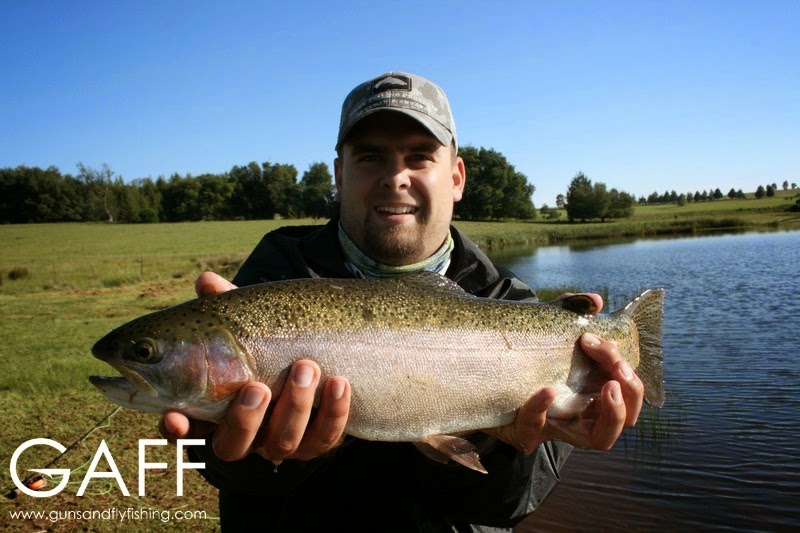
With more than 240mm of rain falling in the last month on the farm we knew that the fishing was going to be difficult. I did not have high hopes and I was worried that we might struggle to get into fish due to the forecast weather which would be a terrible shame considering that Little Troutbeck has a great reputation.
IMG_8895.jpg

IMG_8899.jpg

We arrived on Friday and we were welcomed by our friendly hosts John and Wilma Hunter. We were shown to our cottage were we unpacked our luggage after which we grabbed our gear and headed out to the closest of the 11 dams on the farm, Golden Pond. To my surprise the dam’s water was not murky as I expected after all the rain but it was rather almost gin clear.
IMG_8943.jpg IMG_8947.jpg

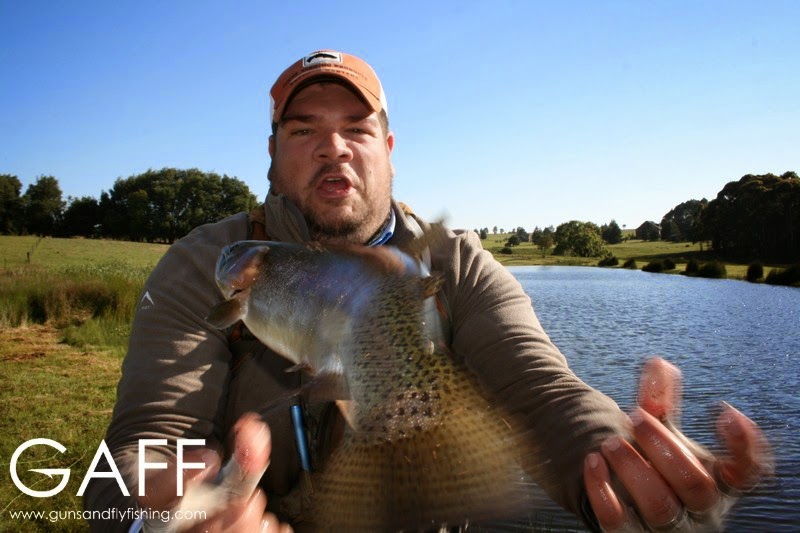
Edu (my accomplice/cameraman for the weekend) started off with a #8 Peacock Woolly Bugger and I opted for a more natural pattern so I tried a #10 Sneaky Damsel. The wind was bad but never the less we kept on fishing and with only about 2 hours daylight left we wanted to taste success before sunset. I later drifted some Buzzers but this also did not tickle the Trout’s fancy. We worked the dam’s bank and you could see a rise every now and again but nothing to get excited about at that stage.

We then moved onto a point on the northern shore and worked our flies around the Lilly pads. Edu got eaten with his 3rd cast and the ice was broken. I saw a huge fish turning, and I made a cast toward it. It went for my fly (#10 Peacock Woolly Bugger) but just missed it! Edu then lost a fish and caught another. After a while it was getting dark, misty and cold so we decided to call it a day.
IMG_8981.jpg

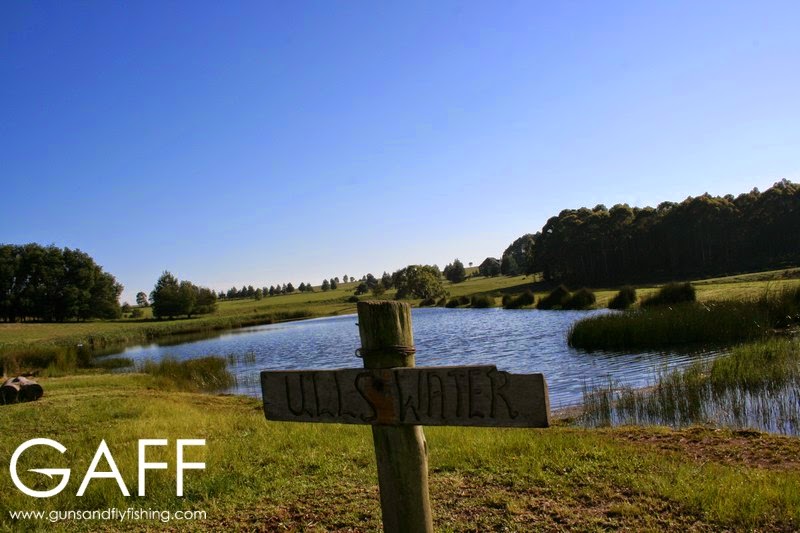
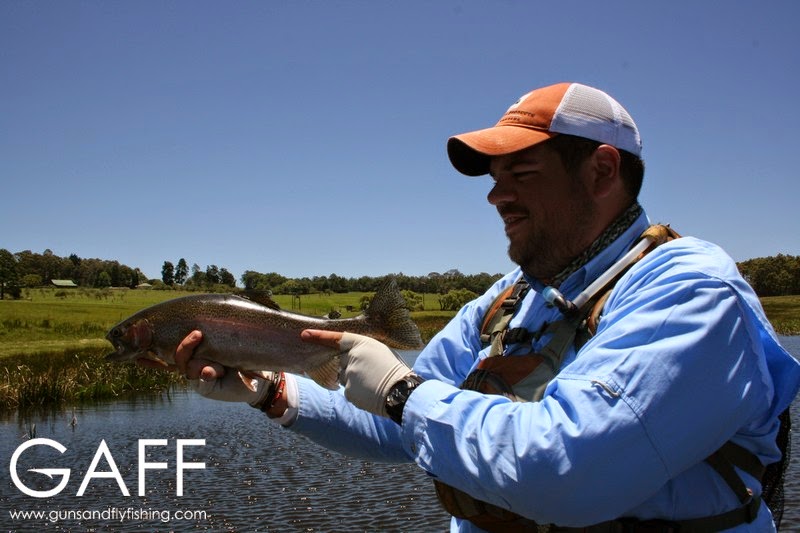
On Saturday we were up and fishing at 05:00 AM and Edu caught another nice fish on the same spot as the previous afternoon. We then headed to Ul’s Water which looked like it could hold big fish. Edu tied on a #8 Black & Green Crystal Bugger which he ties himself and always has success on. I started with a #6 Papa Roach and we started to fish the dam from the western side.
IMG_9045.jpg IMG_9046.jpg

Again, Edu did not fool around and landed a beautiful fish of about 1.4kg. Shortly thereafter I was on and I could feel it was n very nice fish! We landed it and took some quick photos after which we released her back into the depths. We met up with John at Mike’s Luck and he advised us to go down to Loch Logan.

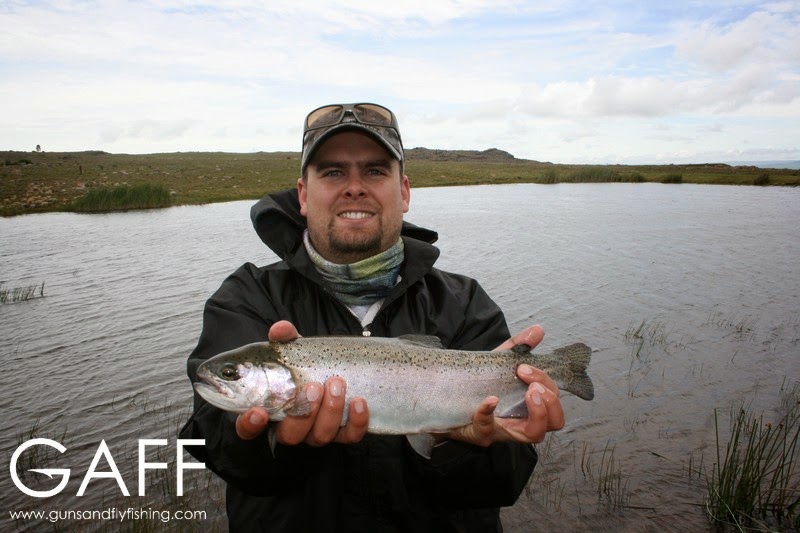
We headed out there as he suggested and with my first cast I was into a bus! The Papa Roach did the damage again and it was the biggest fish of the weekend (just over 2kg), but only a teenager by Little Troutbeck’s standards. Edu got greedy again and caught another 3 right next to me. Later in the day there was a Trico hatch and the fish were 100% inactive and not impressed with any of our offerings. That evening there was just over 25mm rain that had fallen again just to make things interesting.
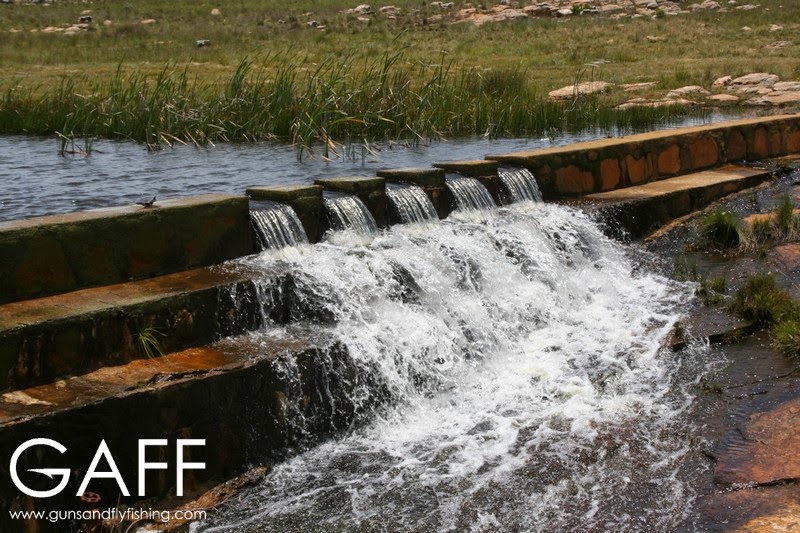
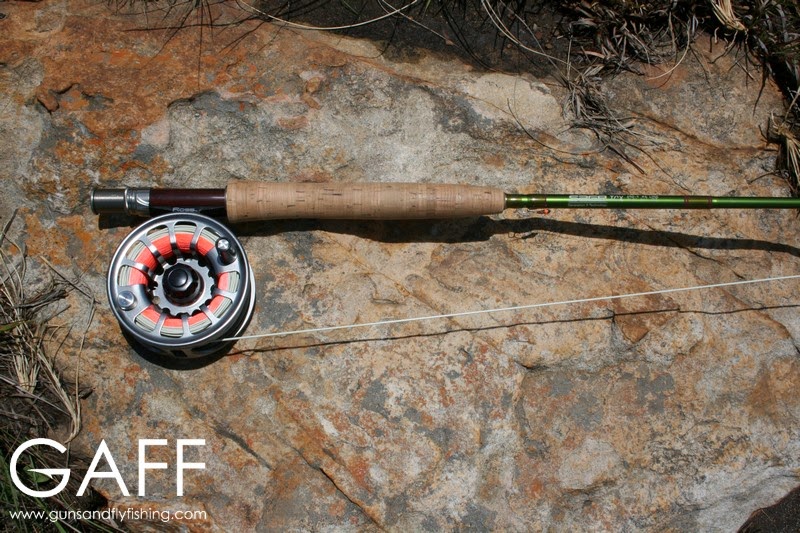
IMG_9061.jpg IMG_9074.jpg

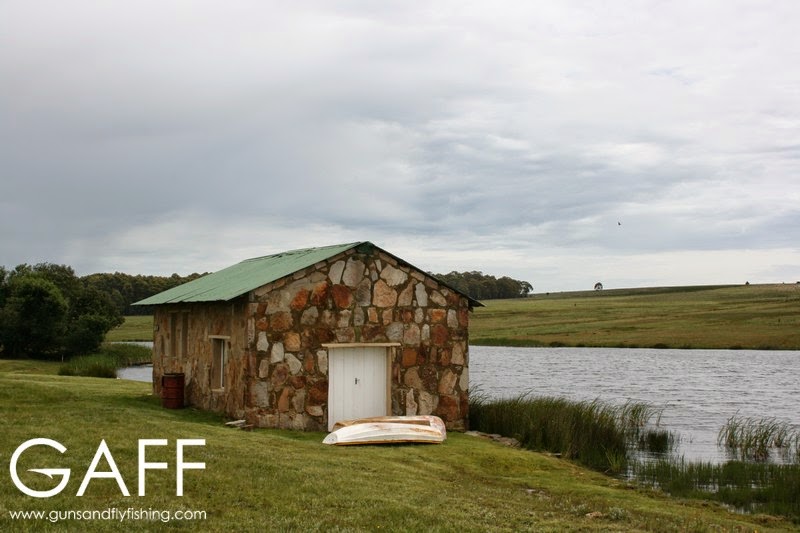
Sunday morning we fished Loch Logan at the boat house’s shore and we both caught some very nice fish there. We also headed down to some of the bottoms dams where Edu caught another nice Rainbow of 1.2kg.
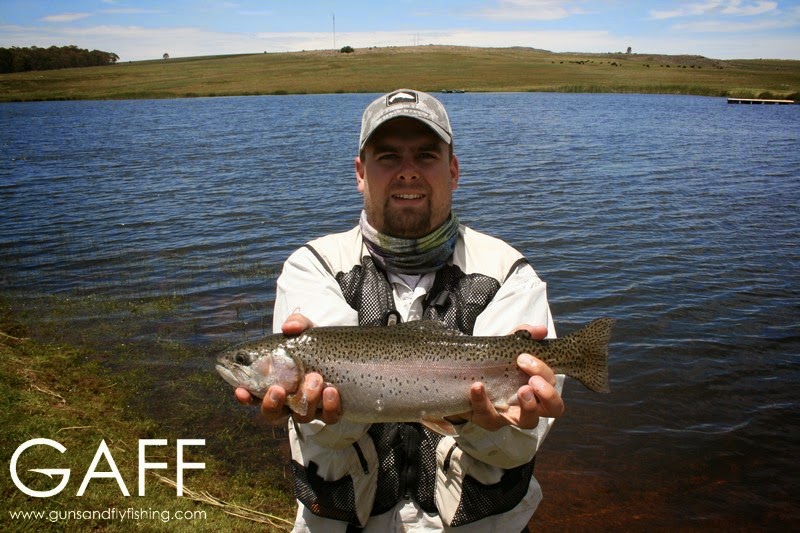
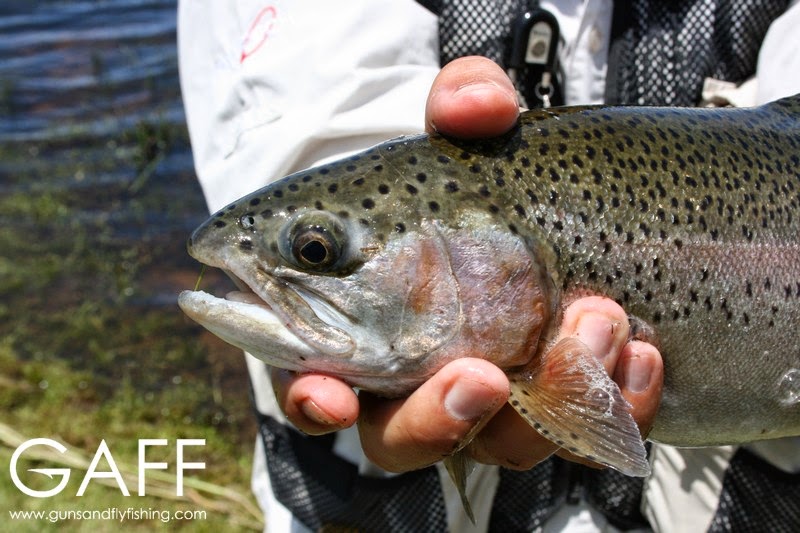
IMG_9085.jpg IMG_9086.jpg

Over all the weekend’s fishing was great despite the rainy weather. John takes great care in making sure that the dams are full of healthy, strong fighting Trout and I really do believe that if you want to better your PB then this is the place to do it. There is an abundance of natural food sources which the Trout feed on which ensures that they grow fast and furious.

Conclusion

If you are looking for a weekend away with the family from the hustle and bustle of everyday city life or if you want to catch some big hard fighting fish then don’t even hesitate and make a booking at Little Troutbeck. You will not be disappointed.
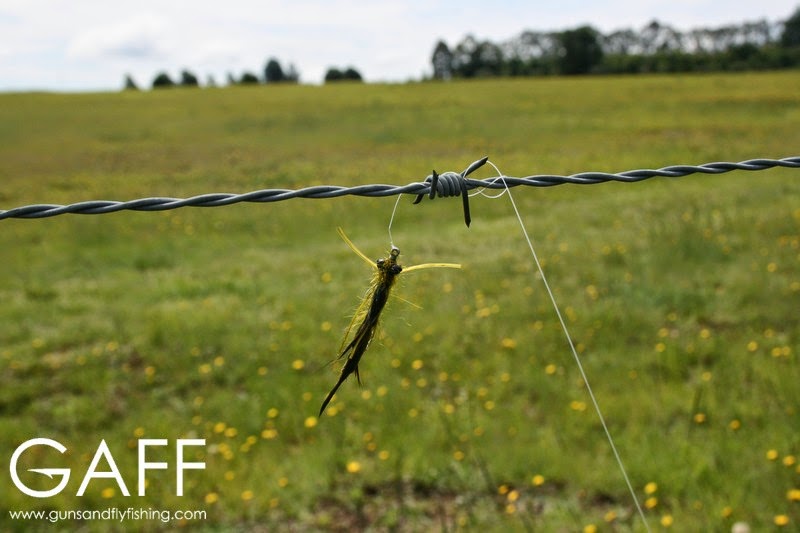
IMG_9096.jpg

Give yourself at least 3 days to fish as there are a lot of dams on the farm, and all of them are great to fish. You are allowed to use a float tube or kick boat on the 3ha Loch Logan, but this is at own risk as it is at all other venues. We only fished 6 of the dams due to the challenging weather and the short amount of time we had there, but we will most definitely be back to hunt one of those 10 + pounders in Loch Logan…

Recommended Equipment

5wt – 7wt 9ft rod with a floating and a sinking line for Loch Logan
5wt 9ft rod with a floating line for all the other dams

Recommended Flies

Peacock Woolly Bugger, Black & Green Crystal Bugger, Papa Roach, Zonkers, Buzzers, Slim Damsels, DDD.

Have a look at the video here:

© 2014 Guns and Fly Fishing. All Rights Reserved.
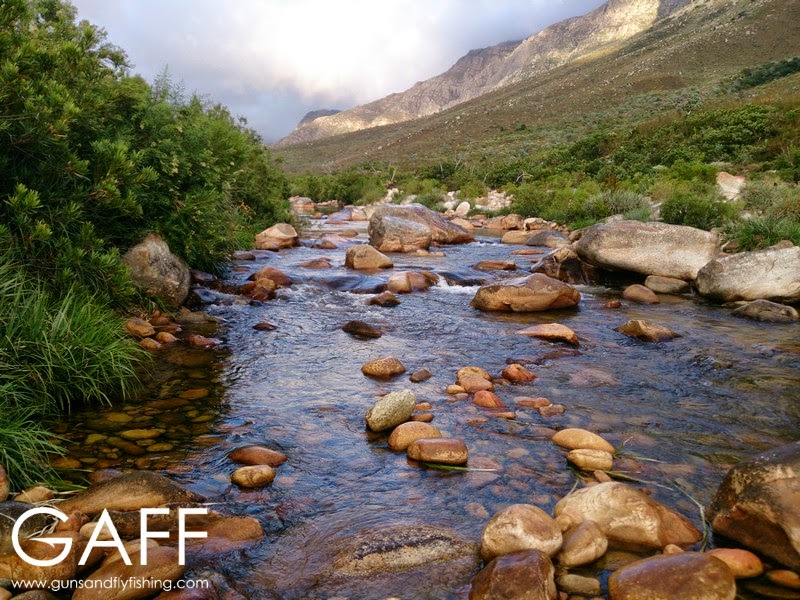
Smallstream Fly Fishing in the Western Cape

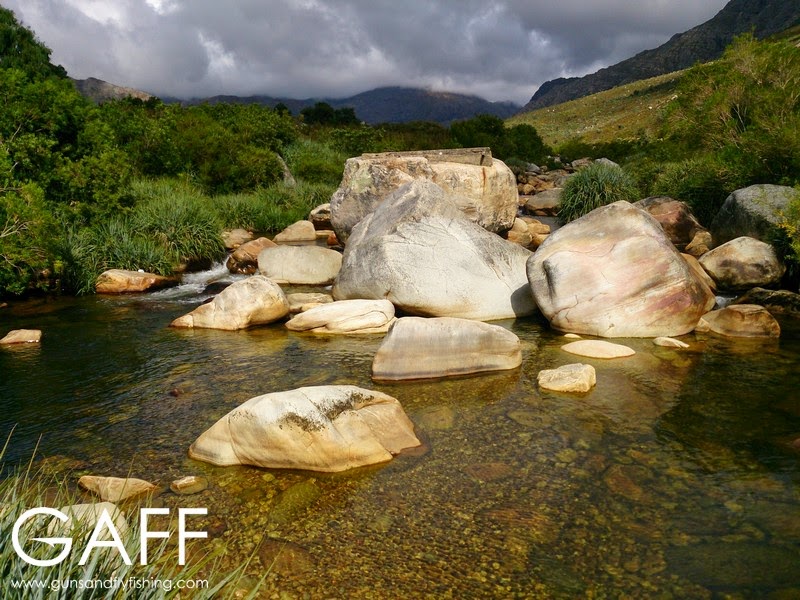
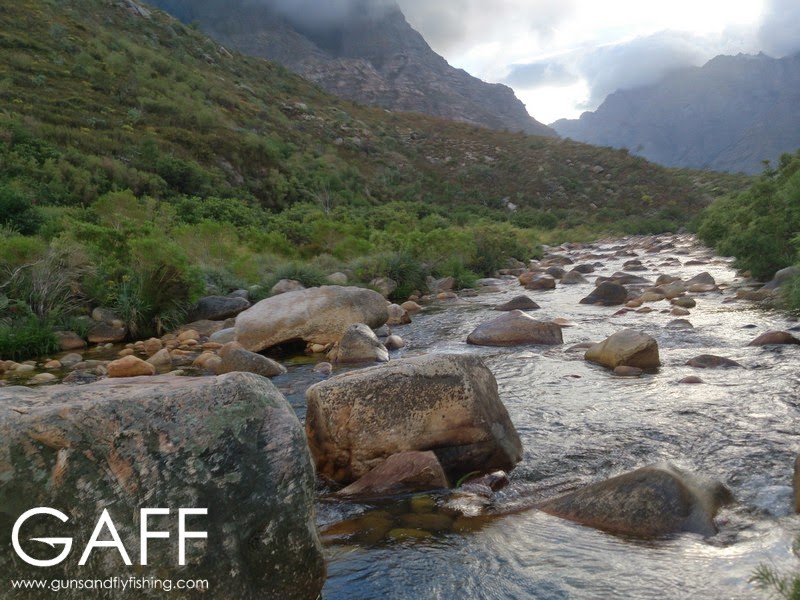
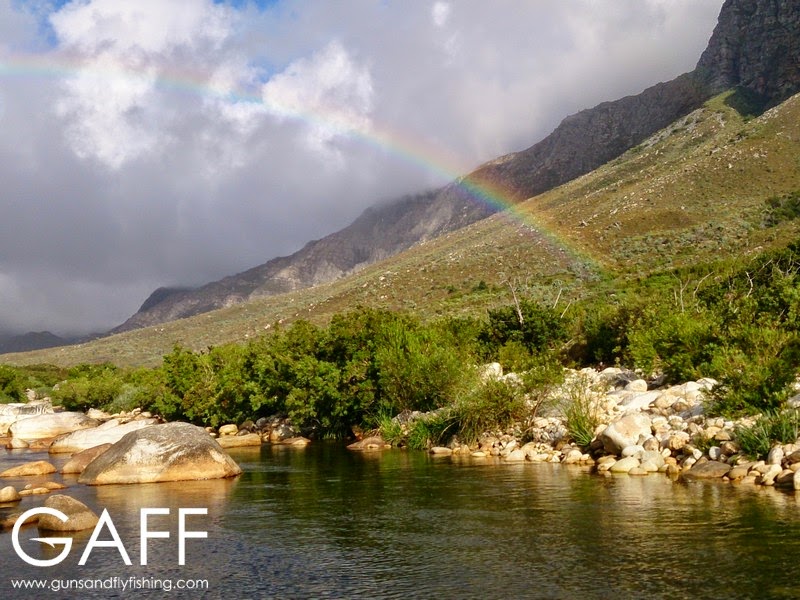
Smallstream fly fishing for wild trout is without a doubt my favorite form of fly fishing. There is nothing better than casting a small dry fly upstream and waiting for the take, the anticipation gets me excited each and every time! Not too long ago I went to fish the Smallblaar river in the Western Cape of south Africa. Only about an hours drive from Cape Town is one of the most picturesque places I have ever seen.

DSC_0610.jpg

DSC_0619.jpg

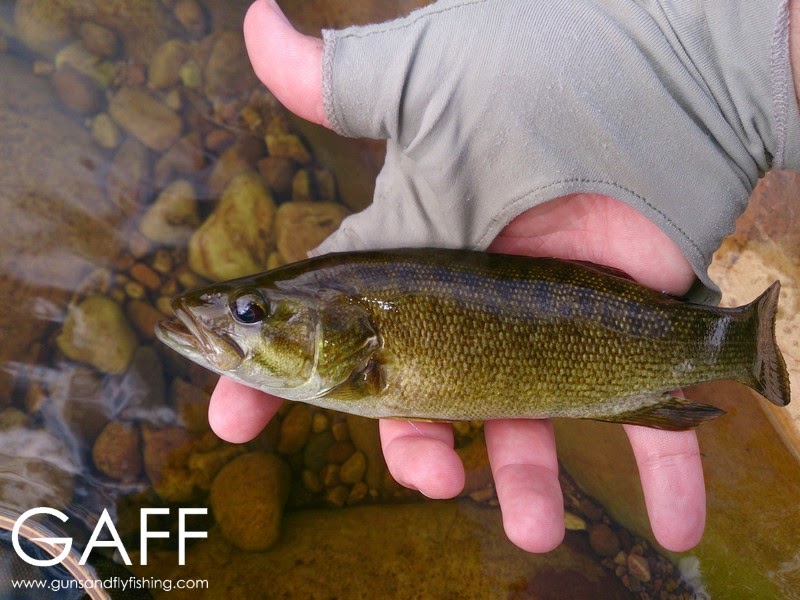
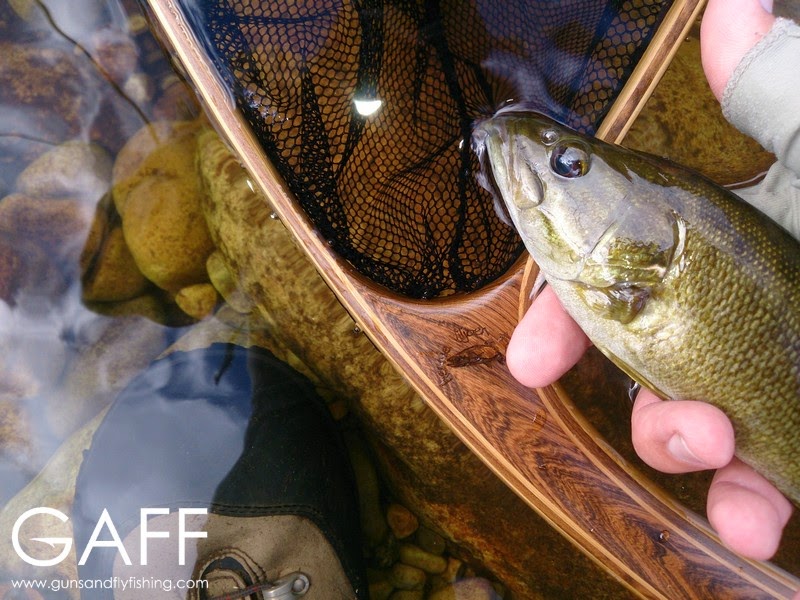
Now, unfortunately the wind was not kind on that day, and the fishing was not very productive. I did miss a few takes for which I have myself to blame but none the less, I did not leave the fair Cape empty handed as I managed to persuade a couple of Smallmouth Bass to eat my fly.

DSC_0620.jpg

DSC_0622.jpg

The Cape Streams are one of South Africa’s best destinations for smallstream fly fishing and the waters are managed by the Cape Piscatorial Society or CPS. You can contact them to make a booking on the river of your choice to book a beat for a day, depending on availability of course.

DSC_0623.jpg

DSC_0625.jpg

DSC_0639.jpg

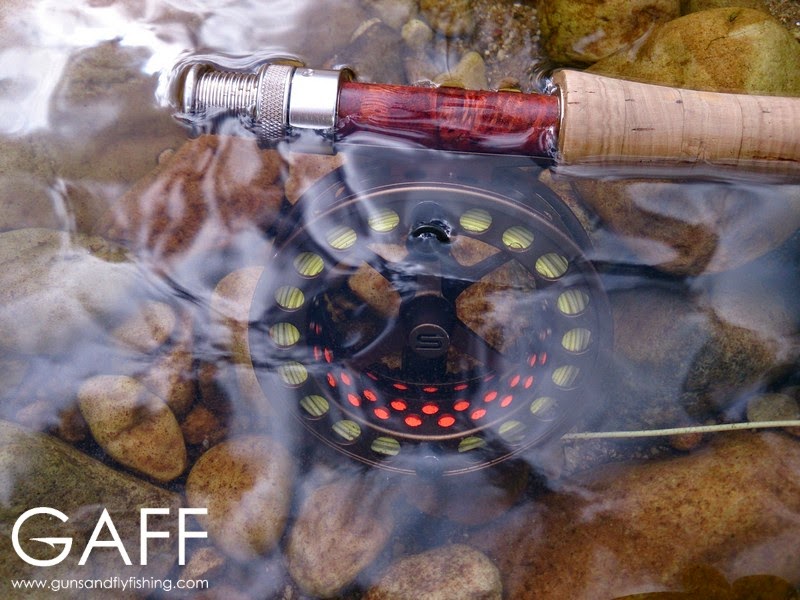
I strongly suggest the use of a guide and there are many in the area that will be able to assist you. There is also a lot of information available online about the Cape Streams if you want to find out more. I would suggest a 2 or 3wt medium action rod that will be able to handle 6-8X Tippet and a DT floating line such as the RIO LT Trout.

DSC_0641.jpg

DSC_0653.jpg

Flies that usually work well: RAB, Klinkhamer, CDC & Elk, Para RAB, Mini Hopper and Darryl Lampert’s High Viz CDC Midge.

I can also suggest getting a copy of Sean Mills’ DVD “The Ultimate Guide to Fly Fishing Cape Streams”.

DSC_0659.jpg

Thank you to Nick Van Rensburg from FLYBRU for guiding me, it was an amazing experience although we only had a limited amount of time on the water. I will definitely be back sometime in the near future!

© 2014 Guns and Fly Fishing. All Rights Reserved.

Bowhunting Giraffe – A Tall Order

Thursday 24 February 2011, started like any other day for me. I got to the office, made some coffee and settled in behind my computer. I usually get to the office nice and early to give myself some time to plan my day, read some e-mails and of course to visit a couple of bowhunting forums to see what my fellow hunters are discussing. Whilst browsing, I logged into Facebook to see if any of my friends have uploaded any new trophy photos, I came across a post by one of my now close friends Danie Massyn, outfitter and owner of Lenyati Safaris.

DSC00358.jpg

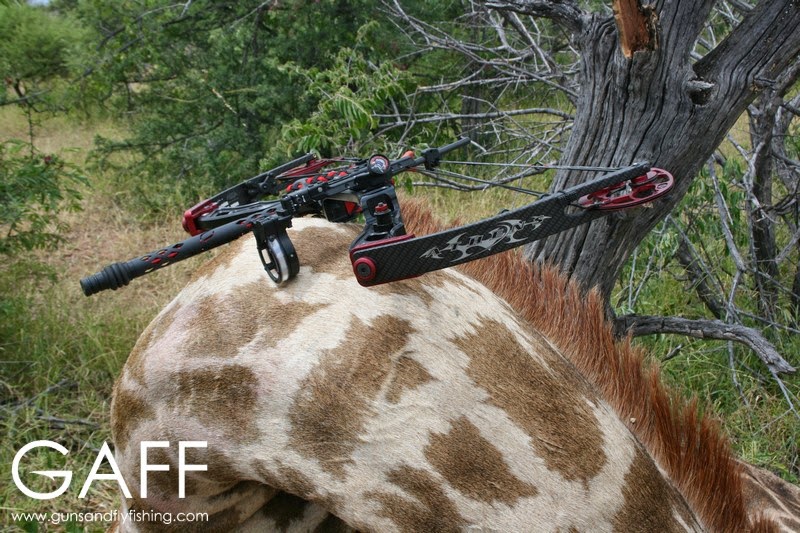
He was advertising Giraffe bulls that he had available to be hunted for a very reasonable price, on one of his many concessions available. Later that morning I contacted him to enquire about the offer. Danie told me that he had five bulls available for a special price with all costs included on a 6200 hectare bowhunting concession near Alldays in the Limpopo province of South Africa, and that three of the five bulls have already been booked that same morning! So without hesitating I booked my Giraffe hunt, and confirmed a three day hunt with him to start on the 4th of March 2011. As I was going to hunt the Giraffe with a compound bow, I needed some time to prepare for the hunt, so it all worked out nicely. Hunting a Giraffe bull with archery equipment (or even with a rifle), is no easy task and there is a lot of preparation involved before attempting to hunt this enormous animal that can grow up to 1400kg. I started out by visiting Archer’s Edge in Pretoria, which is arguably the most reputable archery pro shop in South Africa. The the owner, Redge Grant and all of his employees are die hard hunters and have a wealth of knowledge and a passion for the sport of bowhunting. I told Redge about the Giraffe hunt, and he suggested that we immediately start with my setup. Bradley Matthyssen (my “personal bow technician”) started working on my staff shooter Athens Exceed 300 compound bow, whilst Redge and I looked at the most suitable options available for my bow setup, with regards to arrow weight, spine and broadhead choice for hunting Giraffe.

IMG_4178.jpg

We settled on Carbon Express Pile Driver Hunter Arrows, with 5 inch feather vanes, tipped with 315gr Grizzly Stik Nanook broadheads. The total arrow weight was 763gr, with a FOC value of 20%. With my Athens Exceed 300 set at 70 pounds, I got 229fps with my 31 1/2” draw length. We did the calculations and I was very happy with the outcome of 89 ft/lbs kinetic energy and a momentum value of 0.78. The setup was adequate for Giraffe and Buffalo, which gave me some peace of mind. With my new big game bow setup tuned to perfection, I had to spend some much needed time on the range. I practiced 20, 30, 40 and 50 yards, as well as in between ranges, 25, 35 and 45 yards. I spent the following week before the hunt speaking to fellow hunters that had taken Giraffe with a compound bow. Everyone said the same thing: “Make sure your PH has a back up rifle of .458 or bigger!” Two close friends of mine had wounded and lost Giraffe bulls the previous season, and I tried to learn from their mistakes to make sure I take the animal down with one arrow as fast as possible. I studied the animal’s vitals and the required shot placement every day, closing my eyes and visualising the animal at various distances and standing in different positions. One of the all time great golfers, Gary Player once said: “The more I practice, the luckier I get.” This was something I took to heart to try and eliminate all possible human errors before going on the hunt.

IMG_4177.jpg

The time had come; it was 03:00 on the morning of the 4th of March 2011. Little did I know that this was to be a very historically important day for my hunting career, as I left for Alldays with my best friend and hunting companion Edu Van Staden. Arriving in Alldays some 4 hours later, we met up with Danie from Lenyati Safaris and we drove to the luxurious lodge where we would stay for the duration of the hunt. We unpacked, had some coffee and discussed possible tactics for the hunt as Danie had been scouting the area that the five Giraffe bulls frequent for a couple of days prior to the hunt. I took my bow out of its case and shot at 20, 30 and 40 yards to just make sure that the bow and my nerves were all still in working order. Danie picked up the trackers, and we set off to start the once in a lifetime hunt.

IMG_4133.jpg

We then drove to an old beacon in the bush where Danie climbed the high tower to see if he could spot the Giraffe from the elevated structure. As he got down he said that they were about three kilometres from us in an eastern direction. We took all the necessary gear from the hunting vehicle and departed on foot in the direction of the Giraffe. The trackers with their amazing knowledge of the bush and its inhabitants, Danie equipped with the rangefinder and binoculars, Edu with the video camera and me with my bow and quiver. The wind was perfect, gently blowing towards us as we approached the wary herd of Giraffe. What struck me first was how big these animals are when you are on foot, their massive size alone are more than enough to doubt your equipment, let alone their reputation as one of the toughest big game animals to hunt, that walk the African continent. We then spent the following moments, picking one of the more mature bulls, and after deciding on which one we would hunt, we started the stalk. You would think that these animals would be less wary than Impala or other more common bushveld species, as they are not frequently hunted by predators, but make no mistake, Giraffe are one of the most difficult creatures to approach, as you can’t hide that easily from them, being so tall and blessed with good eyesight (the Giraffe in this case, not myself) and also that within the blink of an eye, these enormous animals can disappear like a needle in a haystack in the African bush! After some time we got closer to the bull I had chosen, and Danie ranged him at 53 yards, a bit far for my liking, I didn’t take the shot, as I didn’t want to take any chances. I was advised by Redge to limit the shot to a maximum of 40 yards if possible, for my equipment to be able to deliver enough energy to penetrate the Giraffe’s thick skin and tough bone structure. They following 3 hours we got within 50 -70 yards from the bull, several times, but again, I wanted to make sure of my shot, as a wounded Giraffe would disappear like a thief in the night on the 6200 hectare concession.

IMG_4049.jpg

Finally we got within range, using the Sickle bush and abundant Acacia trees for some cover. Danie ranged the bull at 42 yards, a distance that I was comfortable with, but this time, as luck would have it, the bull was standing quartering towards us, and not enough to be able to get in a frontal shot, which is the desired situation, as there is little bone in the way of the vitals when the animal is facing you frontal. We waited for about a minute or two, with the Giraffe bull unaware of our presence, before he decided to slowly walk away. With buck fever now making a firm presence as we got so close to a shot, we continued the stalk toward the bull. Suddenly everything fell into place within a matter of seconds, and before I knew I was on fulldraw with Danie ranging the bull standing ever so slightly quartering away from us at 37 yards. I took a deep breath and settled my 40 yard pin just above the middle of the shoulder straight up the middle of the front leg. I squeezed the crisp trigger of my Tru Ball Beast release, and I saw the arrow flying toward the spot I had aimed for. It was almost as if it happened in slow motion, and the second as I let the arrow fly, I knew that I could not have taken a better shot. The arrow hit home, with a distinct “thwack” sound as it penetrated to the fletching on the right hand shoulder of the animal.

DSC02612.jpg

IMG_4030.jpg

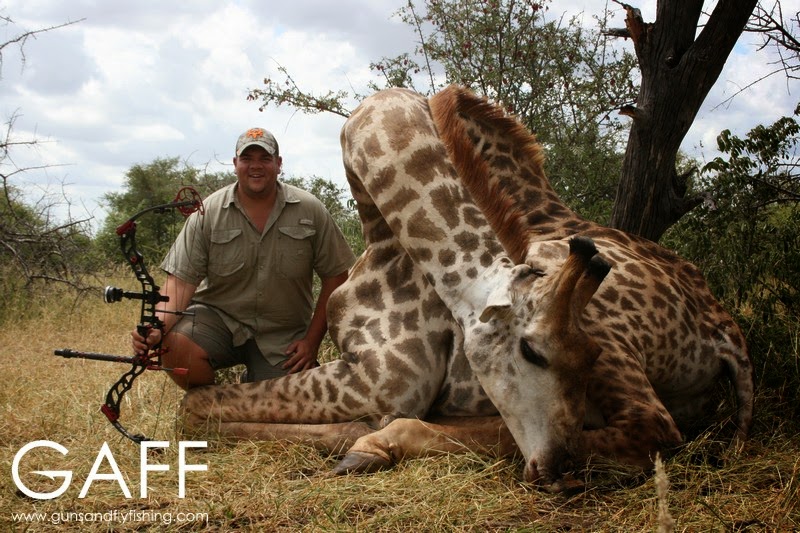
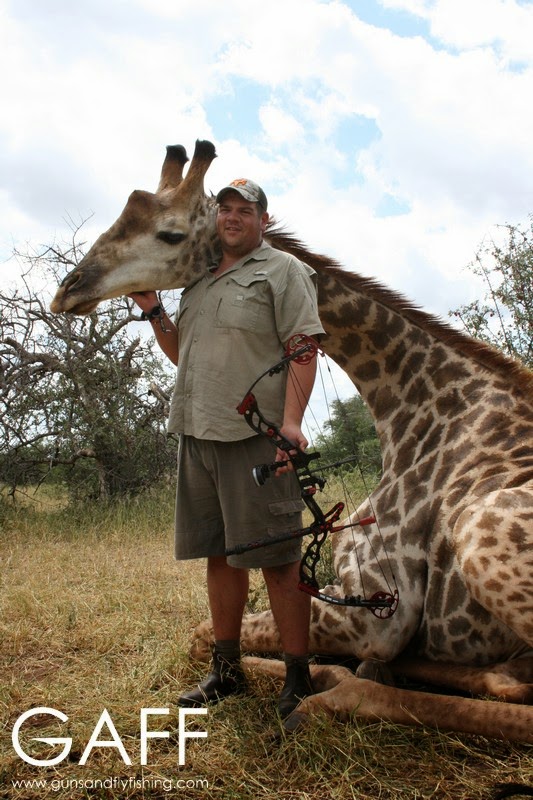
The Giraffe bull then starting galloping off with something that I cannot describe otherwise than a “wheelie”, similar to that of the stunt that bikers perform when they lift a motorbike’s front wheel of the ground. He then headed into the bush, and shortly thereafter we heard the sound of trees and bushes braking under the weight of the animal as it went down. A mere twenty six seconds after being hit (we later counted on the video) by the arrow he went down. We waited for a while before approaching the bull cautiously, but the magnificent animal had expired by the time that we had got to him. We all stood there for a couple of minutes, in amazement, staring at this beautiful creature, with no one saying a word, just the sound of the wind playing in the leaves of the trees and the birds chirping in the background. Danie congratulated me, and I then thanked him and the trackers for  their help to get me within range of the bull. A quick photo session followed, before they  slaughtering, as the sun took a firm place in the African sky and they had to get started as soon  possible so that the meat would not go to waste.

IMG_4036.jpg

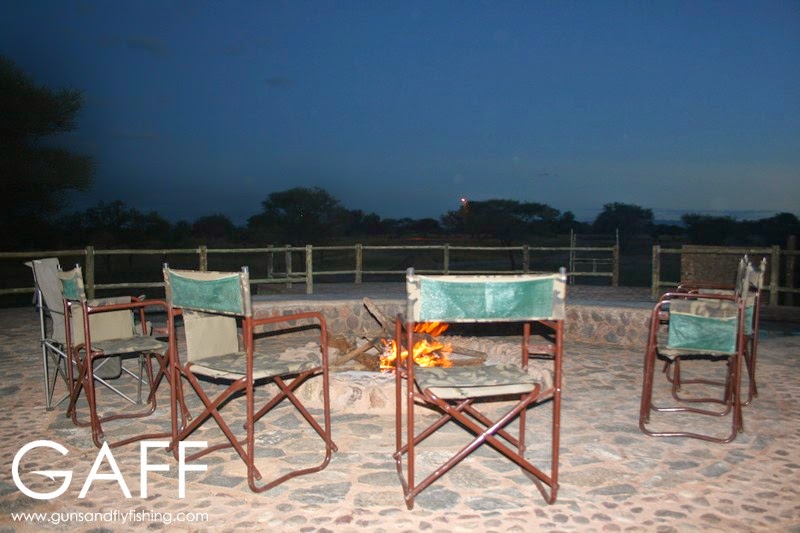
I then walked away into the bush, took of my hat and closed my eyes as I took a knee to thank our Creator for giving me this amazing opportunity to hunt one of his fine creatures. That night, we celebrated the successful hunt around the camp fire under African stars, with a fine scotch and new friends. Later that evening I opened a bottle of South African red wine that I had acquired prior to the hunt, by the name of “Tall Horse” with a colourful Giraffe logo on the bottle, something I thought would be quite appropriate to celebrate the hunt with, given the species that was hunted.

IMG_4209.jpg

Hunting a Giraffe with archery equipment is a “tall order”, but if you do your homework and you practice enough you will be able to successfully hunt one of these spectacular animals. This was an unbelievable experience for me, and a  that I will surely treasure for the rest of my life.

IMG_4214.jpg

Here is the video:

© 2014 Guns and Fly Fishing. All Rights Reserved.
Boyds Rifle Stock for Howa Model 1500

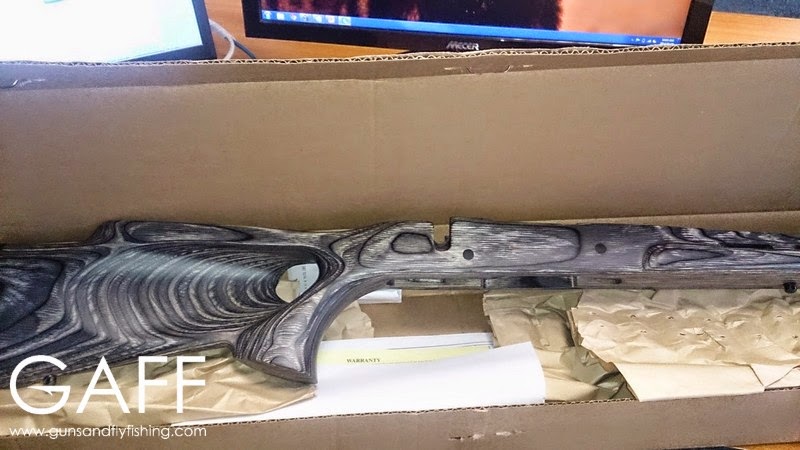
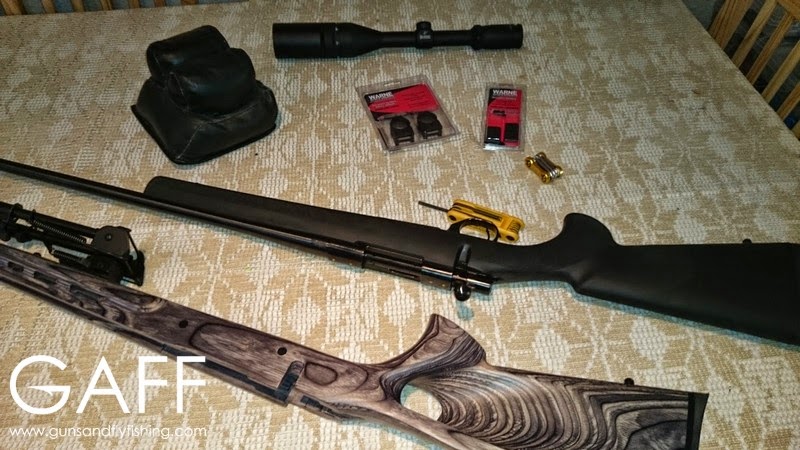
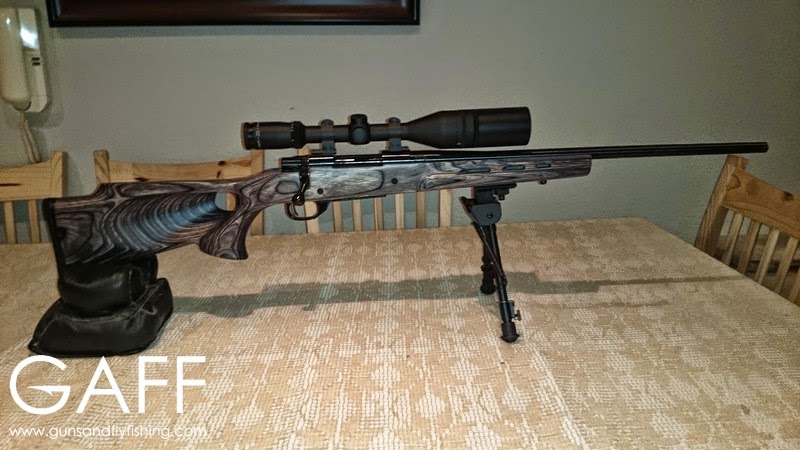
I recently purchased a Boyds Featherweight Thumbhole rifle stock for my short action Howa 1500 in .243 Winchester. The reason for this is that the Hogue stocks that the Howa rifles come out with as standard are a bit light for my preference and personally I like the look of a laminate or wooden stock more.

DSC_0301.jpg

The installation was quite straight forward. The reason for this is that you can order the stock from Boyds already with the inlet cut and finished so it is basically ready to fit when you receive it.

DSC_0081.jpg

All you need is the right tools for the job (a set of Allen Keys) and you are ready to go. It takes about 5 minutes and anyone will be able to do it. Just loosen the two screws on the bottom of the Houge stock (on Howa model 1500 rifles) and remove the stock from the barreled action. The magazine floorplate will also come loose when you remove the Hogue stock.

DSC_0082.jpg

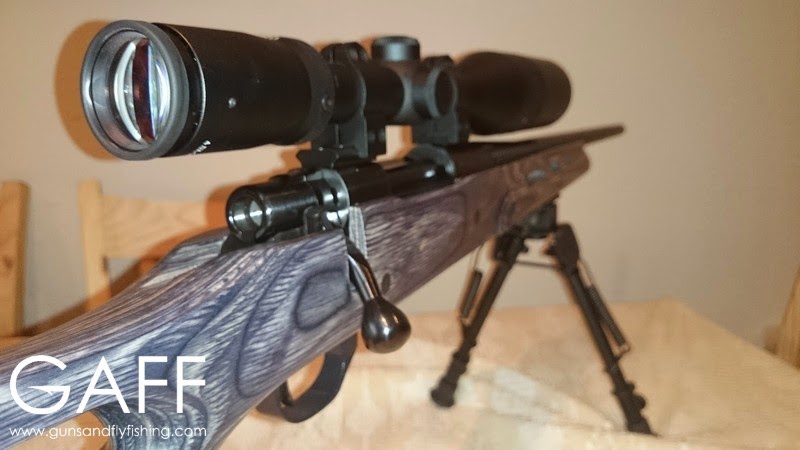
After that you can put the barreled action into the Boyds stock, insert the magazine floor plate and fasten the two screws into the stock. You are now ready for the range!

DSC_0095.jpg

Please note that for optimum accuracy I would suggest taking your rifle and your new Boyds stock to a qualified gunsmith to have the stock professionally bedded and fitted.

*This is only a guideline to fit a Boyds rifle stock and I hereby exempt myself from any claims due to any damages, injuries or fatalities caused by the improper fitment of a rifle stock.

© 2014 Guns and Fly Fishing. All Rights Reserved.
The Fancy Frenchie

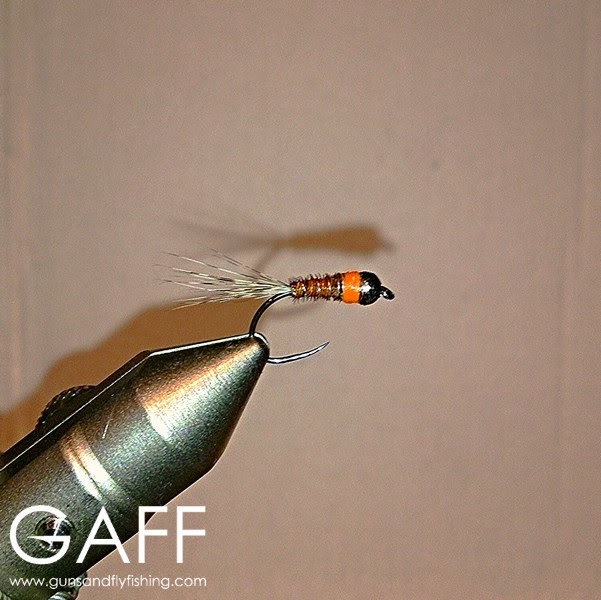
The PTN (Pheasant Tail Nymph) is possibly one of the most effective flies ever tied and over the years there have been many variations of this very effective fly. The PTN and most of it’s variants are simple to tie and is a very effective Mayfly nymph imitation. One of my friends recently introduced me to the Frenchie, which is basically a PTN with a hotspot tied into it. The hotspot can either be a high-vis thread collar or a thorax made of Ice UV dubbing just behind the bead.

Fly materials used:
1. #10 Dohiku Scud Hook
2. Orange thread
3. Pheasant tail fibers
4. Silver wire
5. 2mm Tungsten bead
6. Coq de Leon fibres

IMG_20131124_075648.jpg

Tying sequence:
1. Slide the tungsten bead onto the hook, wrap the hookshank with thread and tie in the Coq de leon for the tail and the silver wire for the ribbing.
2. Tie in about 5 strands of pheasant tail fibers, wrap forward and tie in just behind the bead
3. Bring the wire forward for the ribbing and tie in behing the bead.
4. Form a hot spot collar with the thread just behind the bead, whip finish and give it some head cement.

As you can see this fly is very easy to tie and doesn’t take much time to tie either. I usually use it to target cruising fish whilst sight fishing for them or as a point fly when fishing it NZ or Euro nymphing style.

© 2013 Guns and Fly Fishing. All Rights Reserved.
« Older posts Newer posts »

© 2026 Guns and Fly Fishing. All Rights Reserved.
Theme by Anders NorenModified by RooiWillie