By Jean-Paul Henin
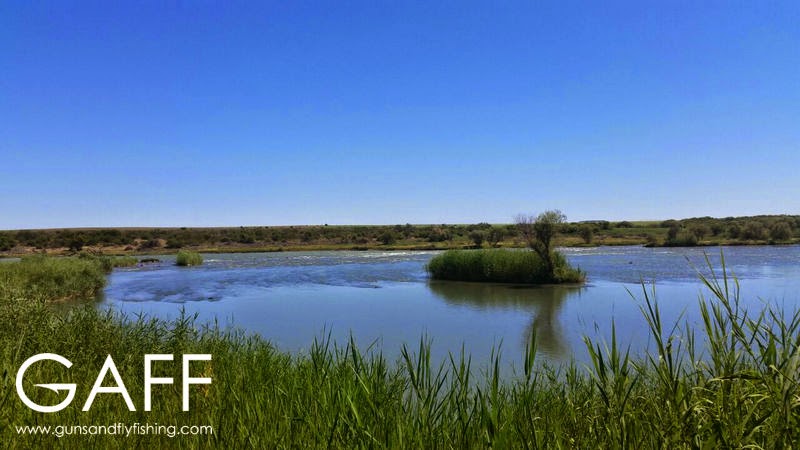
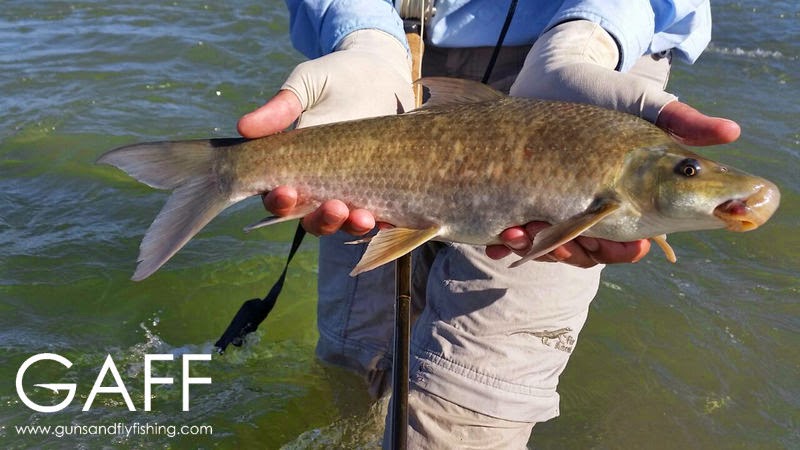
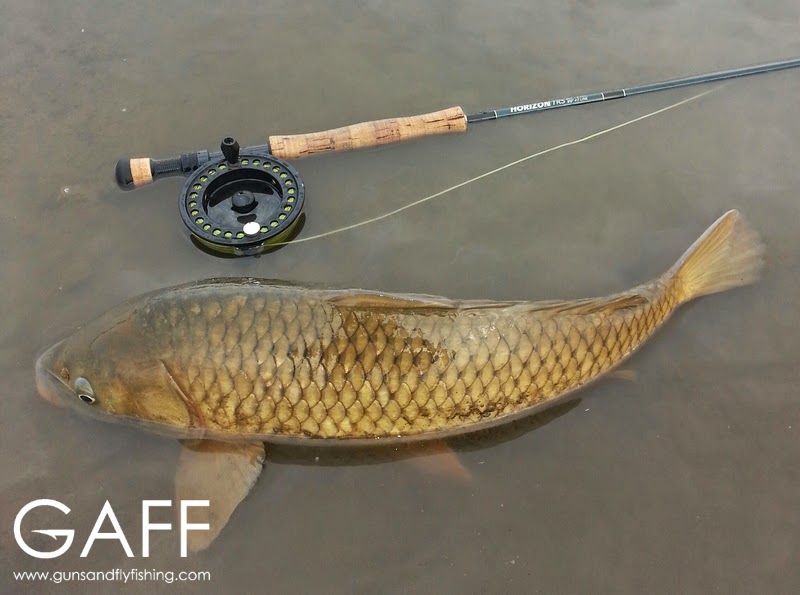
Some years ago a friend from work told me about a dam in Secunda, South Africa where you could target Carp and Sharptooth Catfish on fly right at your feet in the shallow water. I was very sceptical of his statement as I firmly believed that Carp only ate dough baits and earth worms. Imagine how surprised I was when I went with my friend to the dam I literally caught a Carp on fly with my first cast!
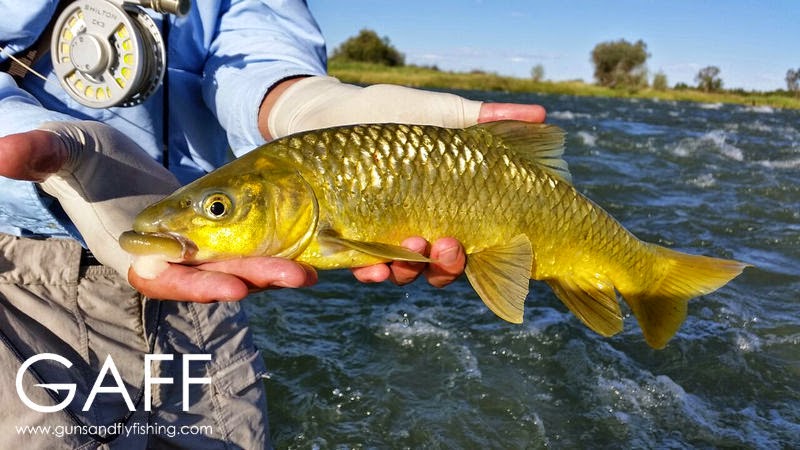
I still remember that the fish almost ripped my rod right out of my hand when it took the fly and it started stripping line of my reel like a runaway train. The fish was just over 8 pounds which was almost double the weight of my biggest Trout caught on fly at that stage.
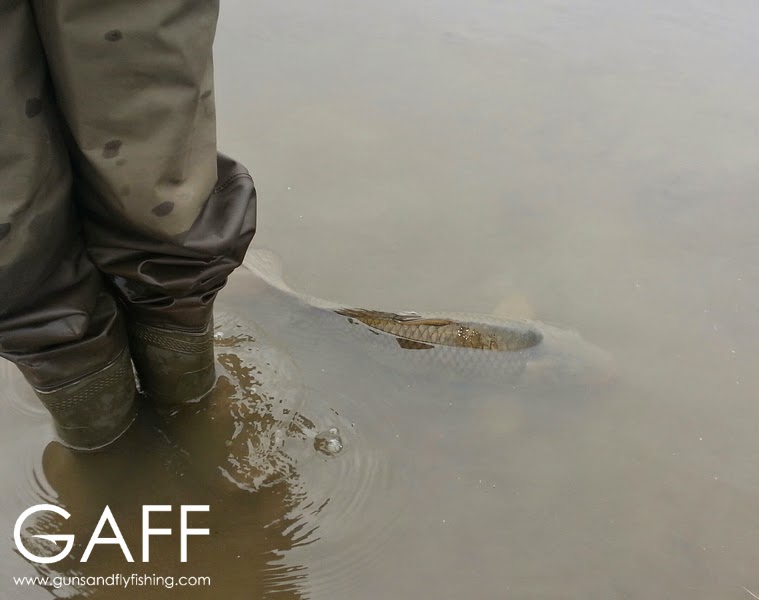
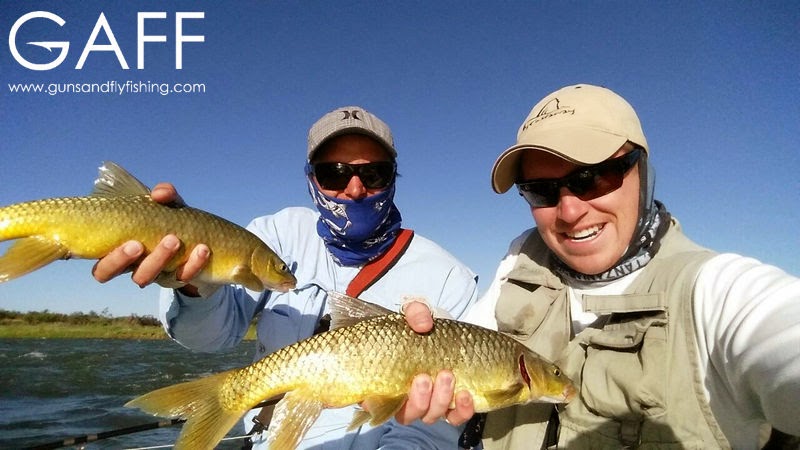
That was about 4 years ago and since then I have averaged approximately 100 of these magnificent fish a year, as I fly fish for them almost every day. I am very fortunate as I have access to various dams and ponds within 20 minutes of my home in Secunda, which is the town where I live.
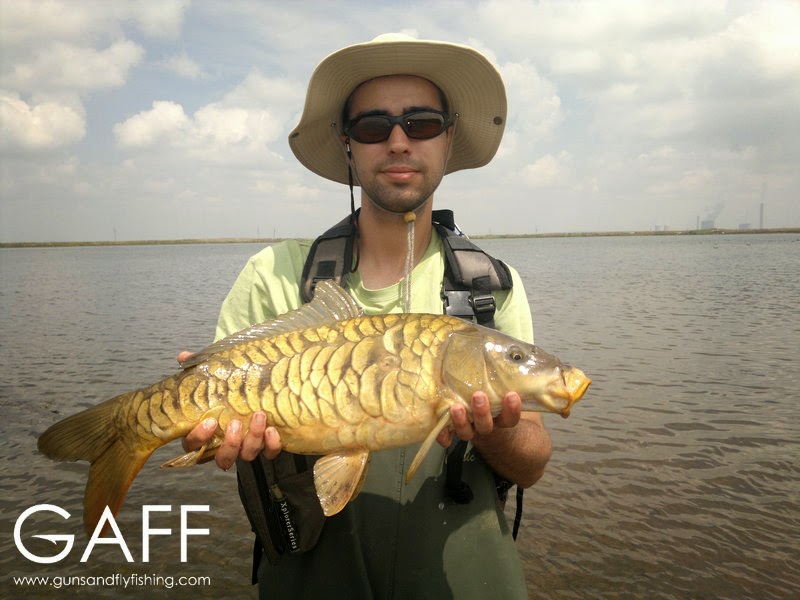
I have devoted a lot of time targeting Carp on fly and I have developed somewhat of an addiction for these incredibly wary and hard fighting fish. There are many people that believe Carp are a garbage fish and that they are not worthy of being targeted on fly, but once you have caught a 20 pounder on fly I promise you that you will have no more reservations about these amazing fish.
Many people have asked me for advice when it comes to catching Carp on fly, so I would like to share some of the tactics and techniques that have worked for me over the last couple of years.
Targeting Carp in clear water:
My leader setup is very simple, I use 12 feet of 14 lbs Berkley Vanish with a strike indicator. I prefer fluorocarbon over monofilament in clear water as the fish seem to spook less when using fluorocarbon material. My choice of indicator is the small polystyrene football shaped indicators that is fixed into position on the leader by means of using a toothpick. They are easily adjustable for different depths in seconds, which is an important factor when targeting Carp on fly.
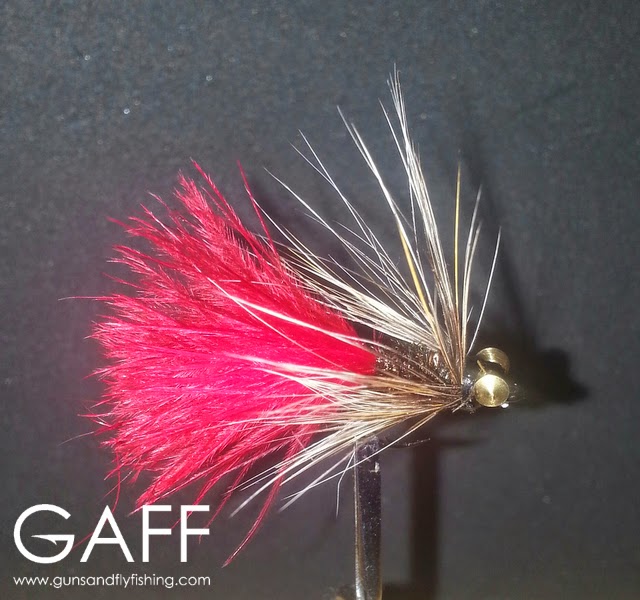
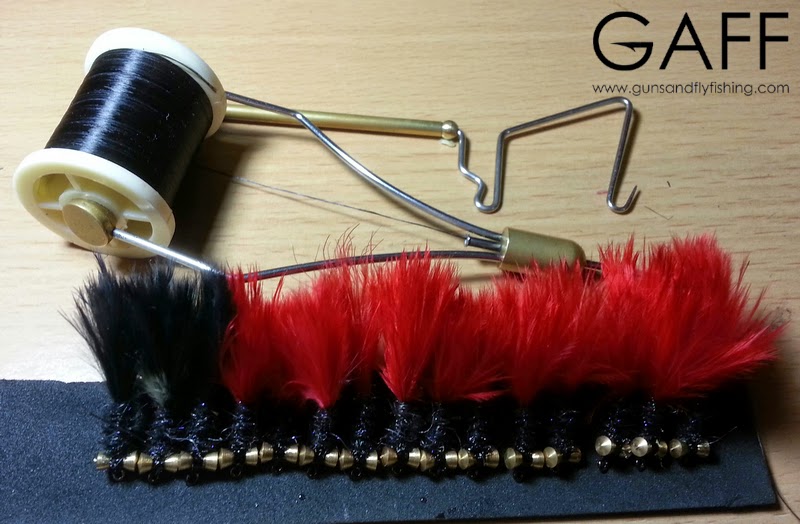
I prefer black Carp Buggers for clear water but have caught them on blood worm imitations, red & black coloured Woolly Buggers and red tailed Carp Buggers. Recommended hook sizes will be from #10 to #6 but I only use #8 lately.
Carp are not very selective feeders when feeding at the bottom from what I have seen. They will eat almost anything that is put in front of them, but they can also prove to be difficult to catch on certain days for no apparent reason.
When wading in shallow clear water for tailing Carp, the most important thing is to move as slow as possible, not to disturb the water as these fish are incredibly sensitive to movement. Cast a little ahead of the fish and drag the fly within 30 cm of its head. If the fish is moving but toward the fly but not eating it, give it a little twitch to try and entice the Carp to take it. I have had Carp chase my fly like a Bass after giving it a twitch.
If the Carp takes the fly, strip strike immediately. They tend to suck the fly in then blow it out upon realizing that it is not food. If the same fish still does not take the fly on offer, then nine times out of ten it’s time to move on and rather target another one.
Targeting Carp In muddy water:
This is my favourite type of water and can be very challenging. I use the exact same set up here as I do for clear water but I only use one type of fly which is a #8 Carp bugger which I found have found to be very productive over the years. The only indication you have in muddy water of a feeding fish is bubbles. These bubbles will look like a kettle boiling on one spot and might move slowly. Cast ahead of the bubbles and drag the fly into the bubbles. It is very important that your fly is well weighted to get into the feeding zone as quick as possible.
The indicator must also be set to about one and a half times the depth you are fishing, to ensure that the fly gets down to the bottom where the Carp are feeding. The takes on the bottom are mostly of a very subtle nature, with the indicator only moving about 1 to 2 cm. It is thus very important that you should strip strike at the slightest movement of the indicator. Carp do on occasion take the fly in a very aggressive manner when feeding on the bottom but it is not the norm.
What makes fly fishing for Carp in muddy water great is you can bubble bash all year round, I have even caught Carp in temperatures under -5 degrees Celsius.
Targeting Carp on dry fly:
On rare occasions you will get to a dam and find the Carp sipping at the surface. This is the time for dry flies! My go to fly is a #10 DDD tied with a natural brown coloured Deer hair. These fish are usually very spookish so I try putting in long and gentle casts far away from the fish and slowly stripping the fly on the surface toward them, stopping at about 50cm away from the sipping Carp.
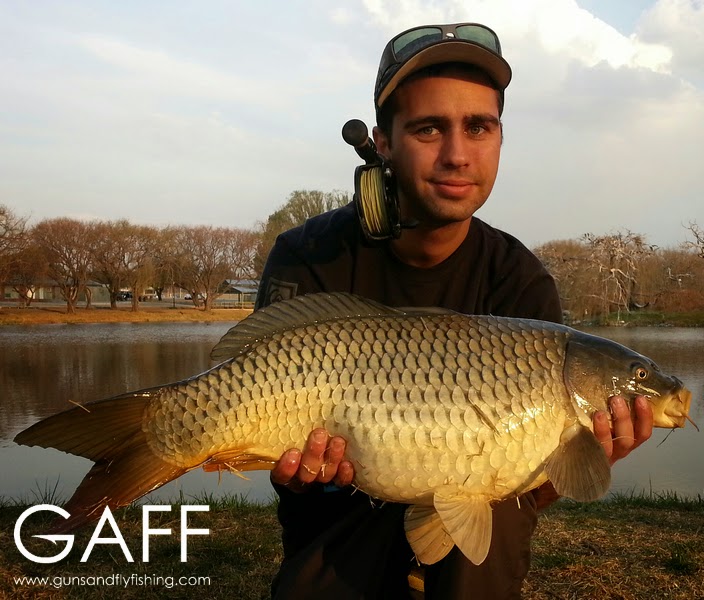
Carp that are mouthing on the surface are not always feeding; they could also be doing this due to a lack of oxygen in the water. This also happens post spawn season when they are resting after their rigorous spawning activities.
Recommended equipment:
The choice of rod all depends on the conditions you are fishing in and the size of the Carp that you are going to encounter. I use a 5 weight when sight fishing in shallow sandy bays that have no snagging hazards. For this application I would thus recommend a 9 foot, 5 or 6 weight rod with a medium to fast action.
I use my 9 foot, 7 weight on a daily basis at my local waters which has a lot of submerged trees and aquatic vegetation, but even with my 7 weight I have come short a few times, getting bullied by bigger fish. I have lately been experimenting with my 9 weight but I honestly feel that it is a bit over kill. I would then recommend a 9 foot 7 or 8 weight with a medium to fast action as a good all-round rod for targeting big Carp on fly.
When it comes to reels I personally feel that it is the most important piece of equipment. A large arbour reel with at least 150 meters of backing and a strong, smooth drag is required as I have been run to my spool knot on a number of occasions and we all know fly lines these days are not cheap.
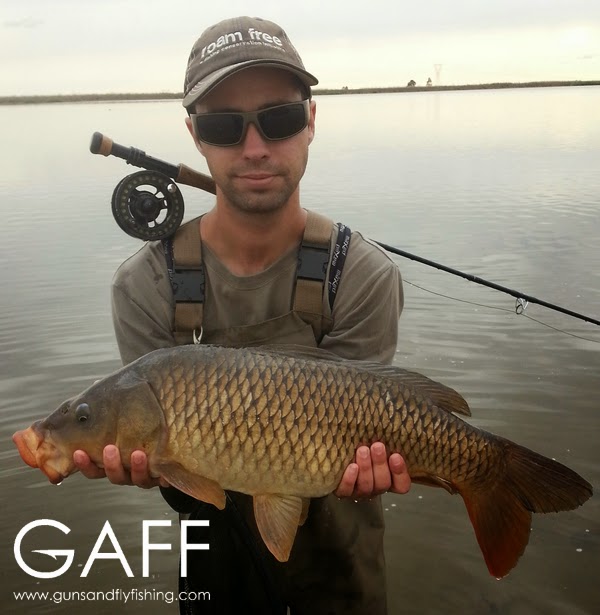
On the reel I suggest using a weight forward floating line which will the best choice of fly line for targeting Carp on fly. Be warned though that this is the one thing that does not last when fishing for these guys. Carp know where the structure is and they use this to their advantage which tend to damage the fly line on occasion. I’m using a Rio Carp fly line at the moment and I am very happy with it, but any other weight forward floating line will do.
Other items that I can recommend is a large net, preferably with a diameter of about 500mm as an average Trout net will not suffice. Make sure that the net’s material is made of a soft mesh which will not damage the Carp protective layer of mucus on its body. Polarized lenses are also an essential piece of equipment as you need them for spotting bubbles and also for spotting Carp feeding in deeper water.
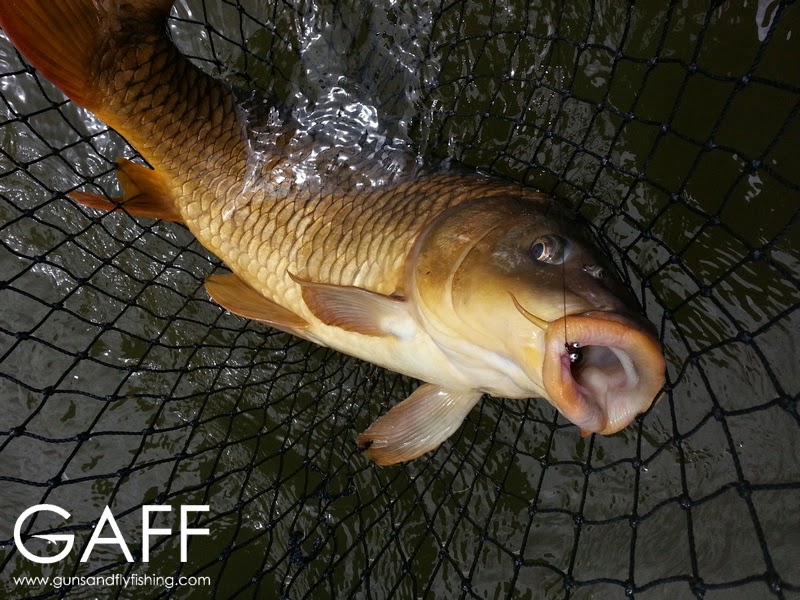
Although Carp are listed as an invasive species in South Africa, please handle them with care and the respect that they deserve. Always make sure your hands are wet before handling them and try to get them back into the water as quickly as possible after landing them.
I hope that this information will help you with catching Carp on fly and that you will share the same passion that I have developed for Carp once you have caught one on fly.
© 2015 Guns and Fly Fishing. All Rights Reserved.