Month: February 2015

Lesotho – Yellowfish Nirvana

By Justin Bean

It all began with a friend phoning me and saying: “We have booked a Lesotho trip and there is a space open…” Needless to say I responded with: “When do we leave?”

Lesotho has always been on my bucket list, and when the opportunity presented itself for me to go and explore the mountain kingdom I couldn’t think of any excuse not to go. Lesotho has been a very popular fishery the last few years as the Trout and Yellowfish fly fishing opportunities is out of this world.

The crystal clear rivers, cascading through the Maluti Mountains plays host to some of the finest Trout and Yellowfish specimens to be encountered on the African Continent. The water stays cold throughout the year and because of this the Trout can flourish and grow to trophy proportions.
lesotho-yellowfish-flyfishing-trout (11).jpg

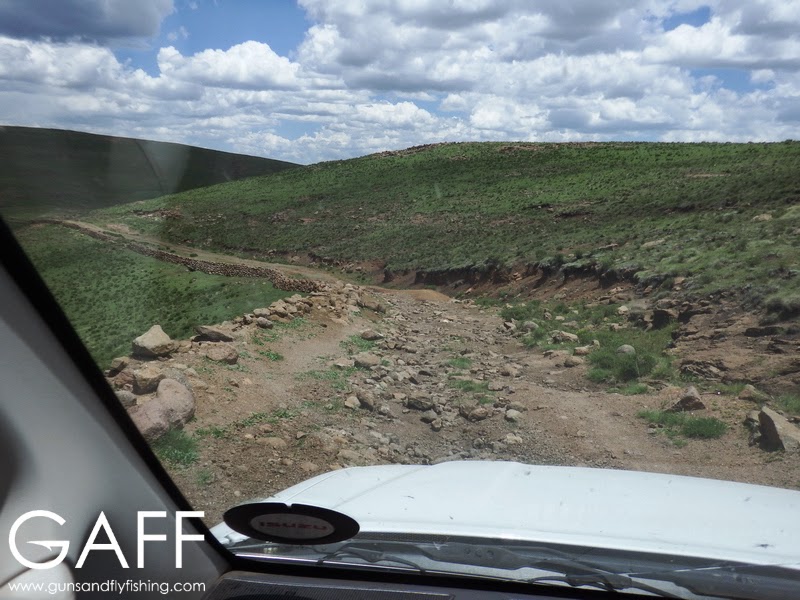
Having left Pretoria at 4 am and with an estimated time of arrival of 12:00 pm, Charl and I got horribly lost, thanks to our faithful GPS. It indicated that we were on the right road, but as it turned out, we had taken the road less traveled, also known as the Kingsley Holgate route. We only arrived at camp by 18:00 pm. I must say however, that getting lost was actually a great way to see what rural Lesotho has to offer whilst traveling though it’s wild but beautiful landscapes.
lesotho-yellowfish-flyfishing-trout (9).jpg

The guides welcomed us (upon our delayed arrival) to the campsite, with wry smiles and cold beers. The rest of our party arrived just before lunch time, and they had already put in an afternoon session in our absence.

After unpacking our gear and settling in, we had a quick briefing and after a hearty supper we retired to our village style accommodation constructed out of local materials; with mud floors and a thatched roof creating a rustic atmosphere.

lesotho-yellowfish-flyfishing-trout (3).jpg

The next morning dawned upon us, and as the sun came up over the glistening mountains and spectacular waterfalls; we rigged our 5wt rods with 10ft leaders before heading out to the water. The guides suggested the previous evening that we start off with a Dave’s Hopper as an indicator fly and a hot spot PTN dropper tied to its hook shank at about 40cm, NZ style. This was then exactly what I tied to my tippet.

Just as I was getting ready to head down to the river one of the guides approached me and said that we were too early and that we must take our time as the Yellowfish only starts feeding when the water heats up at about 10:00 am. As I was already up and Adam I then went for plan B and I rigged an intermediate line with a white and chartreuse Cat’s Whiskers in search of some Trout. The guides told us that there are some huge trout in these waters in the eight to ten pound range, swimming in between the schools of Yellowfish.
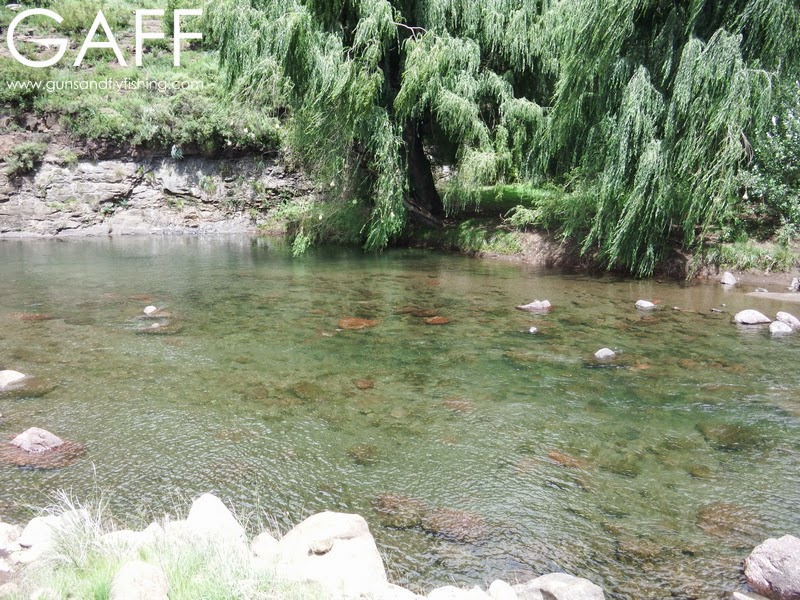
lesotho-yellowfish-flyfishing-trout (2).jpg

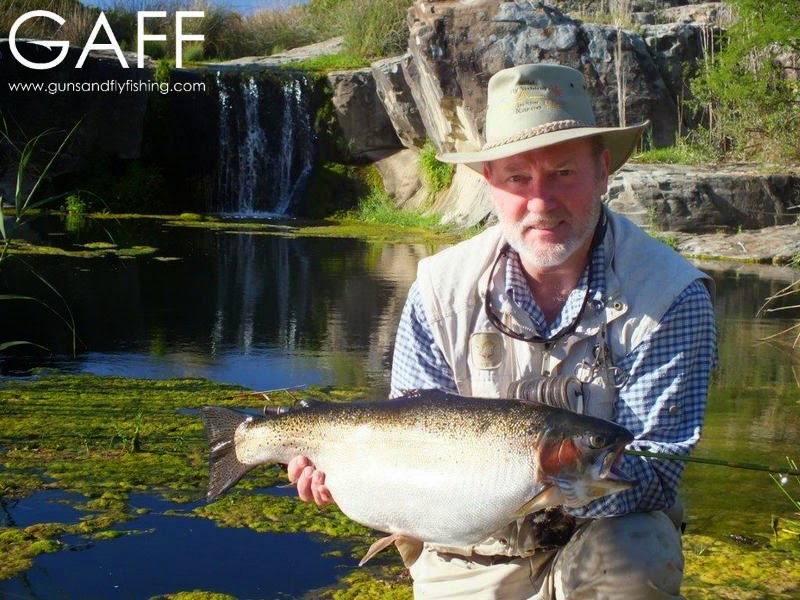
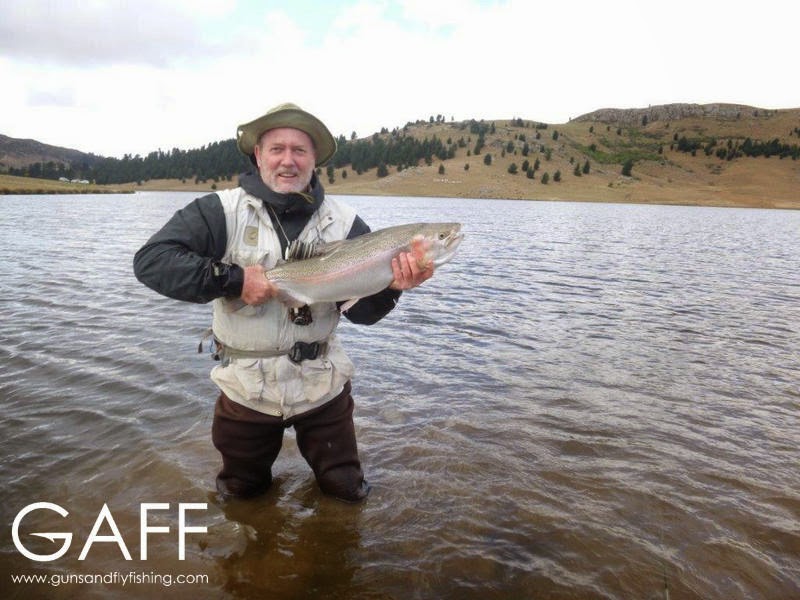
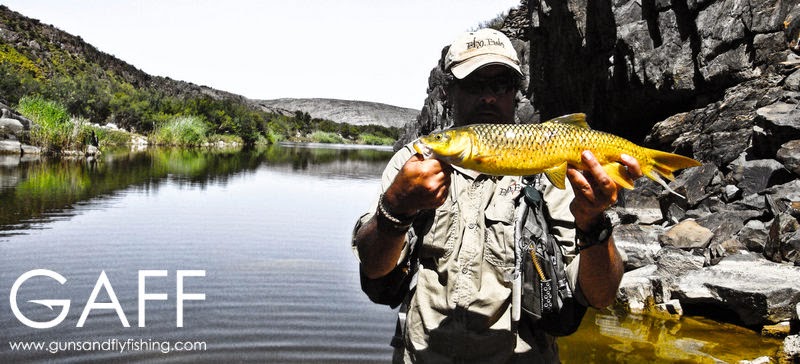
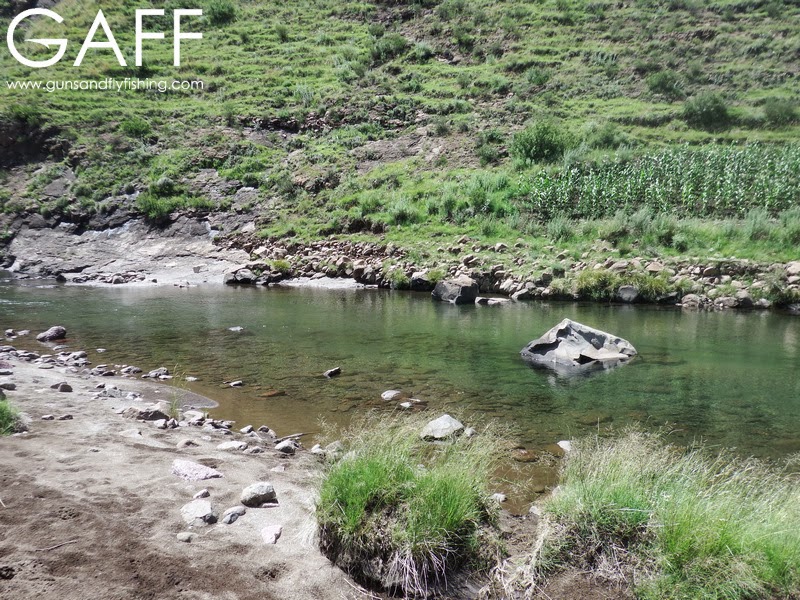
I made my way down to the river, and headed to a spot where the water was a bit slower and became noticeably deeper than where the camp was situated. I spent some time stripping my fly up and across the depths and to my surprise I landed a 52cm and a 54 cm Yellowfish whilst looking for that 10 pounder Lesotho Rainbow to devour my fly.
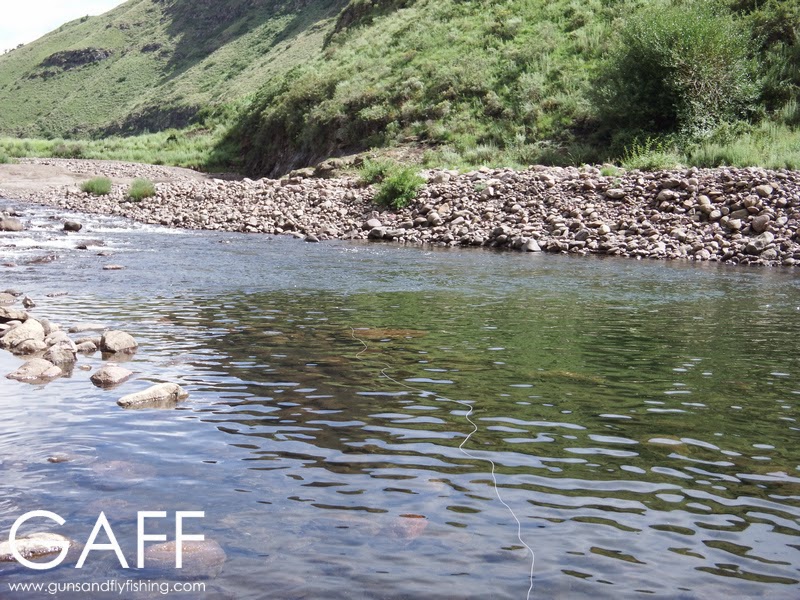
lesotho-yellowfish-flyfishing-trout (1).jpg

Later on we headed out with the guides and stalked some huge schools of Yellows holding in some thin water. We approached them with caution, taking care not to spook any of the fish and presented our dry fly offerings with great expectations. Some of the guys got into some nice fish and after a productive session we headed back to camp for lunch.
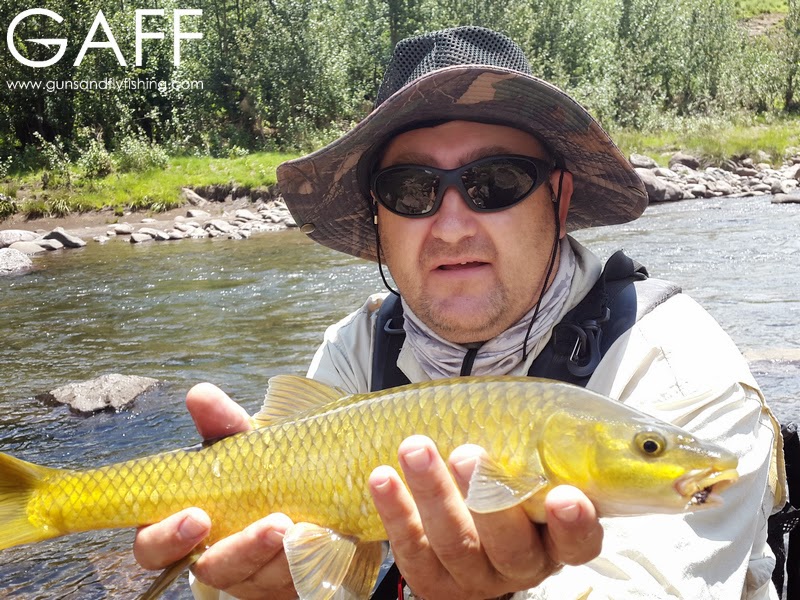
lesotho-yellowfish-flyfishing-trout (7).jpg

After lunch we headed back out to the river but I had some bad luck as I encountered many bumps and takes but with no fish to show for it. I managed to snag every bush, rock, grass and tree in my immediate vicinity but it did not dampen my spirits as the Yellowfish swimming around in front of me kept my mind occupied.
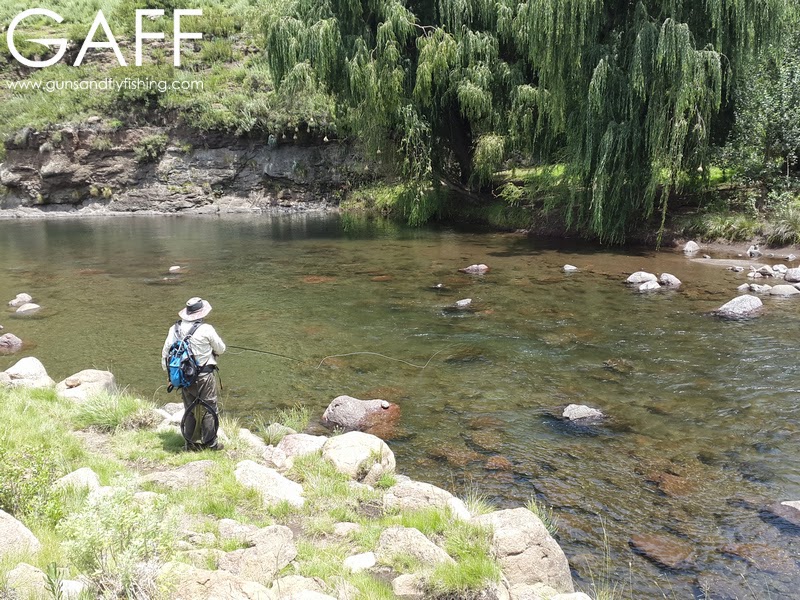
lesotho-yellowfish-flyfishing-trout (4).jpg

While taking a water break I rigged a new leader set up and took in the spectacular view. The section I was fishing then suddenly started to fill up with a school of about 300 Yellowfish and I knew that my luck was about to turn around!
lesotho-yellowfish-flyfishing-trout (5).jpg

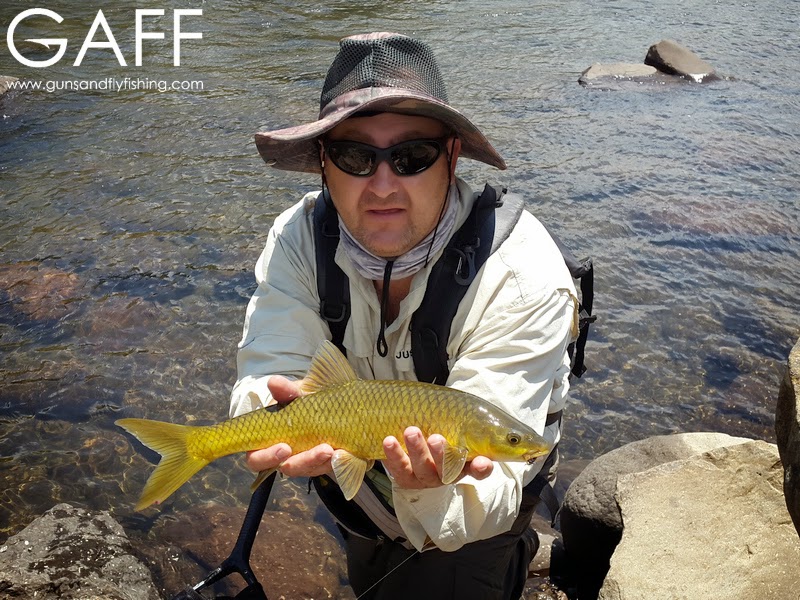
I made a cast, mended the fly line and without warning I was on fighting the fish! My friend Andy was standing by with the camera and after landed the fish he took a couple of quick photos after which I let the fish go back into the gin clear river. The fish in Lesotho fight very hard and they don’t give up easy. Because of this it is important that you fight the fish hard in order to catch and then release it as quickly as possible in order for the fish to survive.
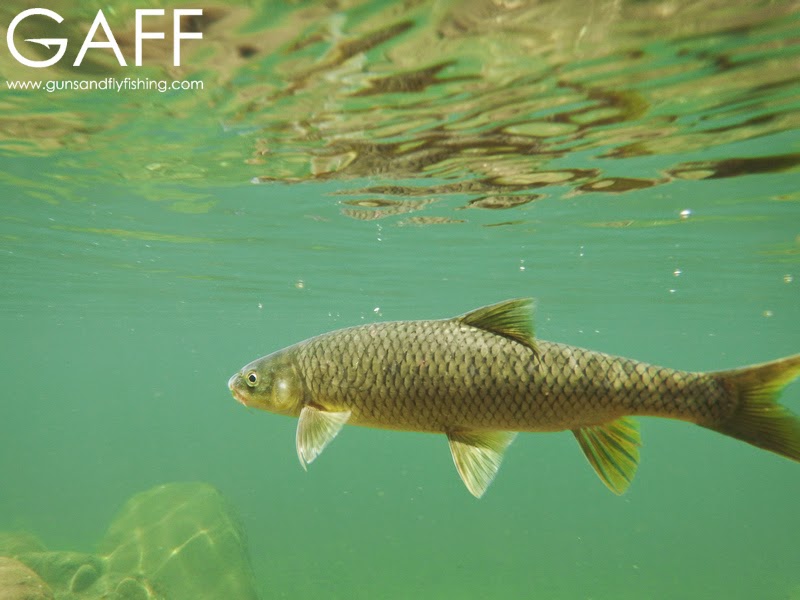
lesotho-yellowfish-flyfishing-trout (10).jpg

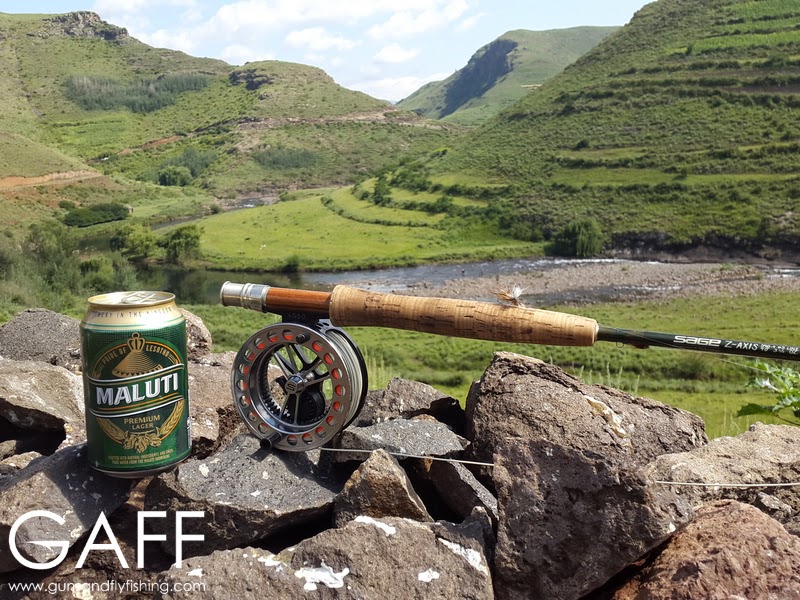
Regarding tackle, we used floating lines with 5wt rods and matching reels. Make sure that your reel has a good drag as you don’t know when you could encounter the fish of a lifetime. We mostly used 4X tippets and our leaders were on average between 10 and 14 feet. Be prepared to lose some flies as there are some very big fish and they do tend to take the flies aggressively upon occasion. Make sure to have a wide selection of flies, with various Hopper, Mayfly and Caddis dry fly patterns. Also make sure you have a variety of nymphs and don’t forget those hot spot PTN’s!

Additionally, you need to pack ample water in your day pack every day as you are about 3000m above sea level, with the only form of transport being that of your own two feet. There is a lot of hiking from spot to spot but it’s more than worth it as you will be spoilt by amazing fishing and breathtaking views of the river and the surrounding villages. Take your time and have an occasional stop to huff and puff as most of us were not as fit as we thought we were.
lesotho-yellowfish-flyfishing-trout (6).jpg

In short, pack wisely and book a trip with a reputable outfitter as local guide’s knowledge is an absolute must. Also, make sure to follow the travel instructions provided by your guide to avoid getting lost (like we did).

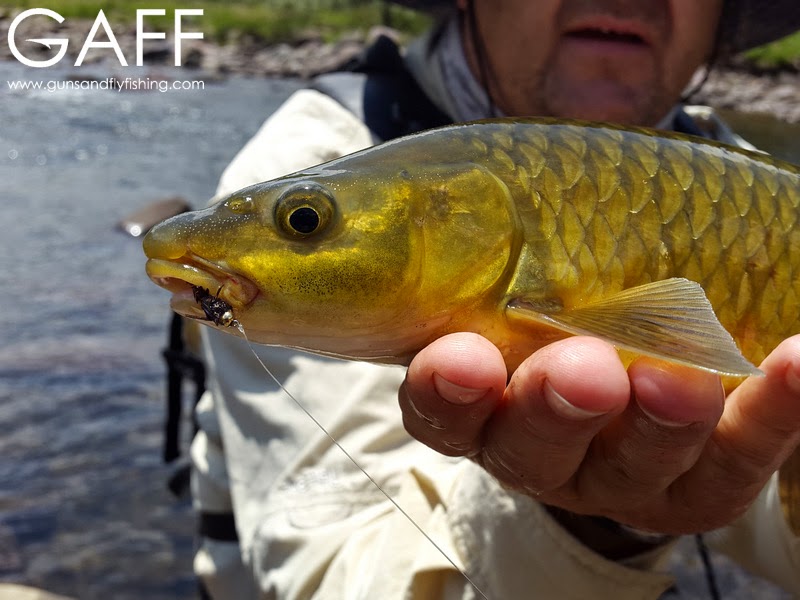
I have to thank Charl and Vic Terblanche for the opportunity to fish these waters. Our group of 5 guys landed some decent sized fish with an average of 20 fish per person per day making the journey to the mountain kingdom worth the effort. If you are interested in sight fishing crystal clear waters in search of trophy Trout and Yellowfish, then look no further than this magical country called Lesotho.
lesotho-yellowfish-flyfishing-trout (8).jpg

© 2015 Guns and Fly Fishing. All Rights Reserved.
Wild Fly Fishing in the Karoo

Centrally situated in the town of Somerset east, the Angler and Antelope guesthouse offers the full package; a four star guesthouse with some self-catering options, a century old church with a malt whisky bar and a beautiful dining area that is rich in atmosphere. Somerset east is 180km north of Port Elizabeth and 280km west of East London in the Eastern Cape and it is certainly a jewel of the Karoo.

DSCF1651.jpg

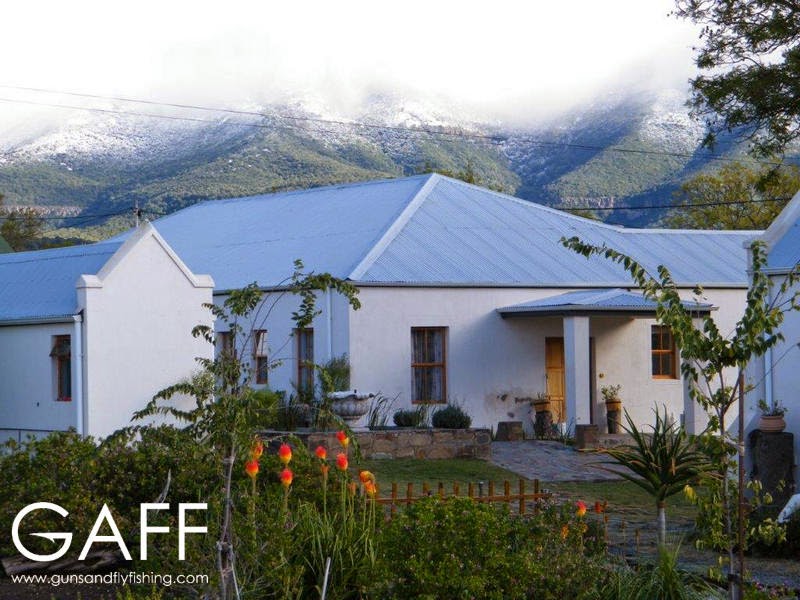
The guesthouse building was built in 1893 and has been thoughtfully restored, maintaining the character of the old with all the modern facilities required for four star grading including free Wi-Fi. The rooms are spacious and they have bathrooms to behold. The renovation process took two years to complete, riding in over two hundred and forty tons of top soil and two hundred and sixty tons of stone to complete a self sustaining water feature, paving and a predominantly indigenous garden.

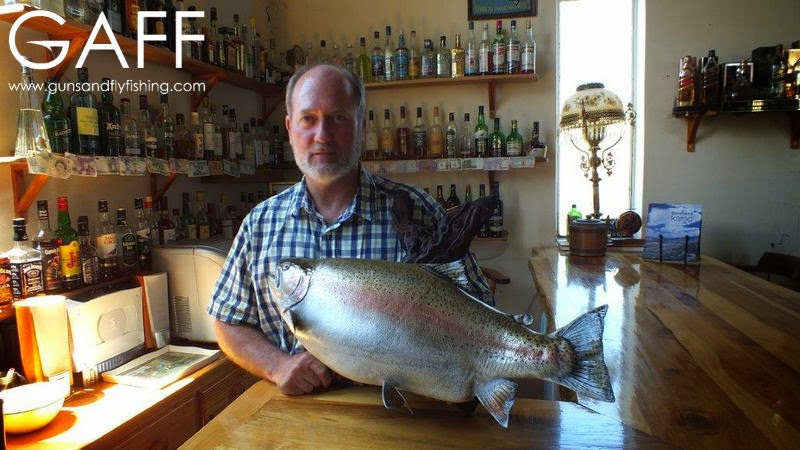
The deconsecrated Roman Catholic Church built in 1906 now boasts Nigel’s pub (a malt whisky bar with over fifty single malts) and a dining area where breakfast and dinners are served to guests. The dining area can also be used to host private functions or special occasions for interested parties.

DSCF1793.jpg

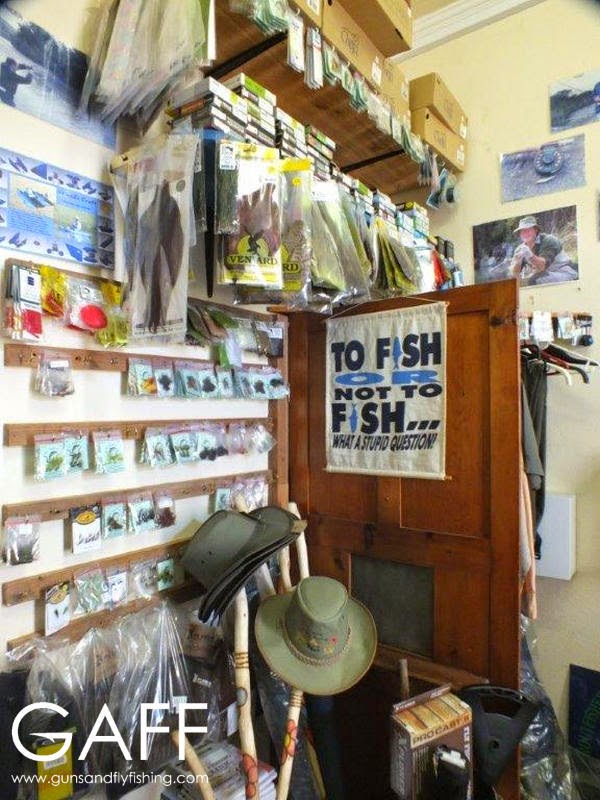
The original confessional hosts the best stocked fly tackle shop in the Eastern Cape and legend has it that one can no longer lie about the size of fish caught or the number of whiskies consumed.

DSCF3151.jpg

Your hosts, owners Alan and Annabelle Hobson are hands on management striving to make your stay a memorable one. Annabelle produces good old fashioned country cuisine with a modern twist. Guests staying over keep coming back to enjoy her country cuisine of pan fried Trout, Oxtail or Lamb shanks.

Alan was born in Somerset east and grew up on a farm in Pearston. His father Nigel was somewhat of a character, who wrote two books on Karoo plants. Alan still recalls counting plants as a teenager for his Dad’s books, which was one of the most boring school holidays ever but one of the most valuable, as Alan now has a wealth of knowledge of the area which also contributed in him pioneering fly fishing in the diversity of the Karoo terrain.

DSCF7213.jpg

100_0806.jpg

As a R.E.F.F.I.S. accredited fly fishing guide and THETA accredited field guide, Alan’s guided wild fly fishing in the Karoo experiences are unique. When he stops on a bridge over the dry river bed of the Little Fish River and passionately describes how there are record sized Trout in the Karoo, it is not because he has been in the sun for too long or that he has been smoking Karoo bush, it is because he personally manages the fly fishing waters in the area.

DSCF5223.jpg

Nessie (taxidermy proof of the biggest Rainbow Trout caught in a South African river) is displayed in the church at the guesthouse and testifies to this. These fish grow at a phenomenal rate on Karoo type steroids comprising of frogs, tadpoles, crabs and monster dragonfly nymphs. They are left to fend for themselves and they do not grow big by being stupid.

DSCF8016.jpg

Alan has developed several fly patterns as a result of his patient observation that work, not only in the Karoo but all over South Africa and the world. International guests purchase these unique patterns from his fly shop, tied by one of the local ladies he has trained to tie flies. Guests regularly send photographs from all corners of the globe boasting their success with these custom flies.

P1010443.jpg

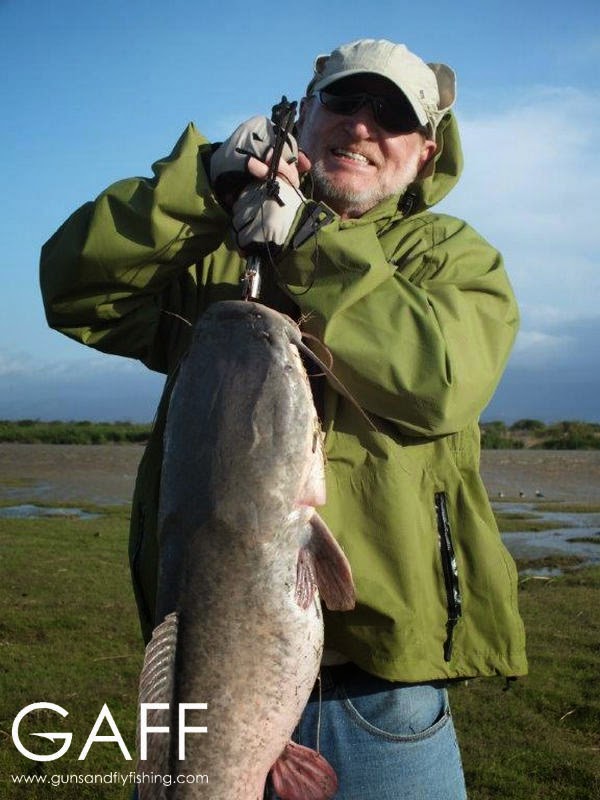
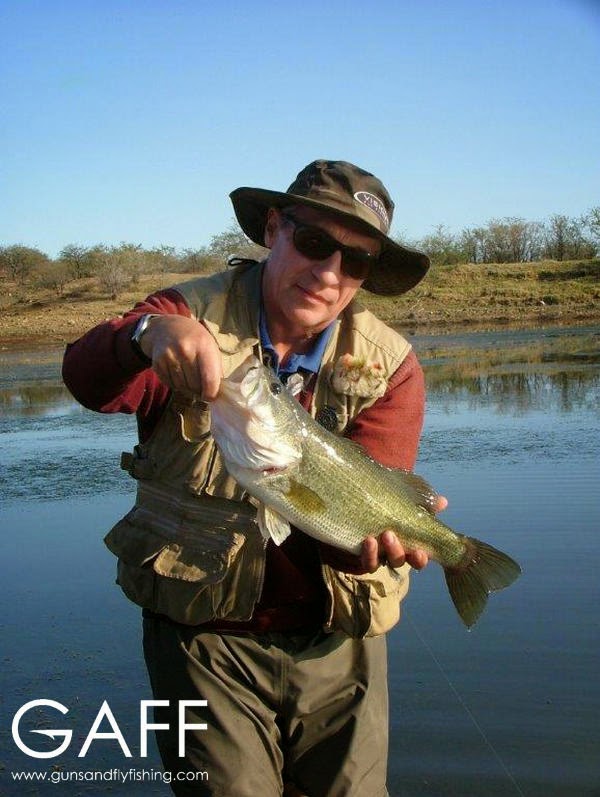
Wild fly fishing in the Karoo is completely unexpected and different as one does not imagine that there is water to be found in the Karoo let alone fish! To be specific there is Trout and six other fresh water species (Smallmouth Yellowfish, Largemouth Bass, Carp, Moggel, Mudfish and huge Barbel) in the area which can be targeted on fly.

DSCF3441.jpg DSCF7268.jpg

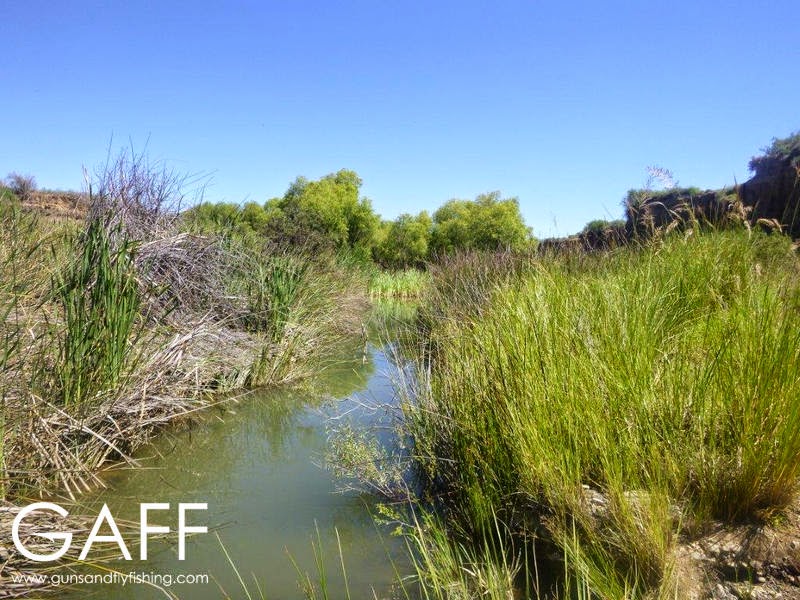
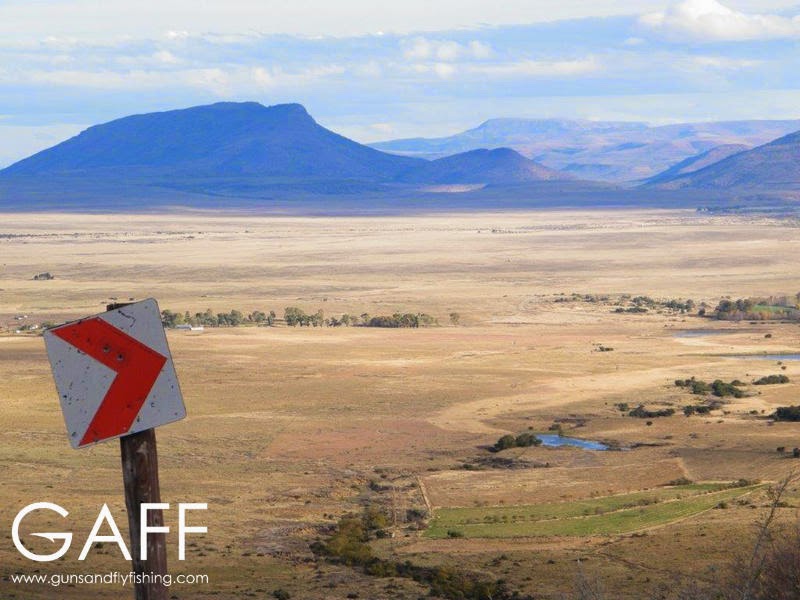
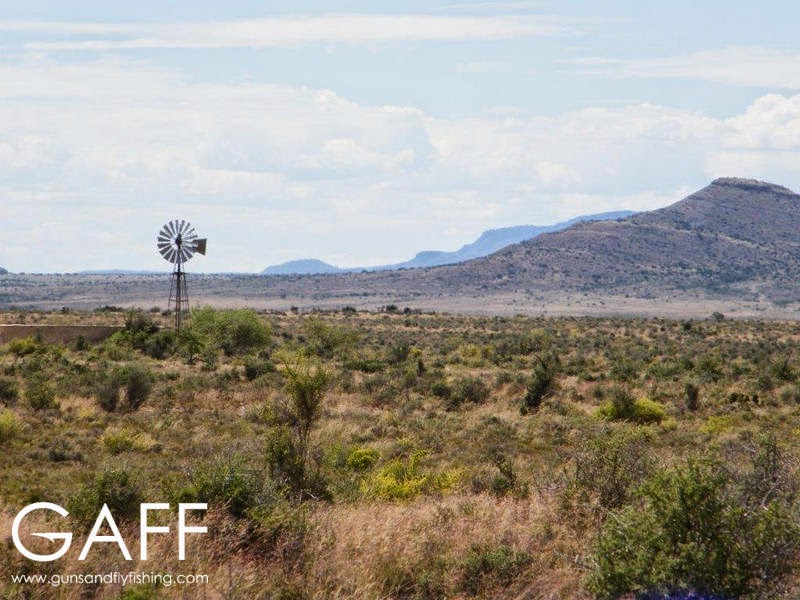
Mountains sweltering on the horizon with charcoal blistered veldt does not conjure images of fly fishing; but the water quality is exceptional in the Karoo, with fountain water seeping out of the ground where there are rocky outcrops and then disappearing underground until the next geological fault, forming big pools within the river bed. With the water being mostly underground it is cool enough during the blazing summer heat, this combined with high altitude is why the Karoo can sustain Trout.

DSCF3384.jpg P1010305.jpg

The occasional winter snow melt results in the fish breeding in the rivers in exceptional years. The mind blowing concept of believing that there is quality fly fishing to be had in the Karoo certainly does qualify it to be an exclusive destination.

100_0070.jpg

With over twenty stillwaters, three river systems and adding the fact that one seldom sees anyone else except for wild animals does make it even more appealing. Alan manages all of these waters that are on private property on behalf of the Bankberg Trout Fisher’s Club and some of which are exclusive to guests staying at the Angler and Antelope.

DSCF5058.jpg

DSCF7167.jpg

Somerset east is a comfortable day drive from Johannesburg (nine to ten hours), Durban (eight to nine hours), and Cape Town (eight to nine hours). Trips by train (for the adventurous) or by aircraft to Somerset East are also possible. The Angler and Antelope and Wild fly fishing in the Karoo experience is definitely worth the effort, even if it is just to experience the solitude, serenity and the silence of the Karoo.

DSCF4627.jpg

For more information or to book with Wild Fly Fishing in the Karoo, please contact:

Alan Hobson

REFFIS & THETA Accredited Guide

Tel: 082 44 22 884 or 042 243 3440

http://www.anglerandantelope.co.za/

© 2015 Guns and Fly Fishing. All Rights Reserved.
Plains Game Shot Placement

Shot placement is probably the most important part of hunting in a responsible and ethical manner. It is however one of the most neglected aspects when it comes to hunting. Some people focus so much on rifle calibers and other things that they don’t pay enough attention to shot placement at all.

Now whilst adequate rifle caliber is indeed very important (and in most places a legal obligation) caliber will not make up for poor shot placement on an animal. If you do not damage the vitals of an animal it will not expire in a quick and ethical manner.

Shotplacement-Hunting-Africa (1).jpg

Ethics are off coarse what separates hunters from poachers amongst other things. We as hunters have an obligation to make sure that we treat the animals that we hunt with respect and it is our duty to promote, educate and ensure the conservation of those same animals that we hunt, to ensure the survival and well being of those animals and their habitat.

Now as this is an article about shot placement and not about ethics, I will refrain from saying too much about ethics, but the whole purpose of shot placement is to harvest an animal in the quickest, most humane, pain and stress free manner as possible for the animal. Whether you are hunting a trophy animal for the record books or whether you are hunting an animal for the pot, the animal should be treated with the same respect.

Shotplacement-Hunting-Africa (2).jpg

Now for this article we will exclude dangerous game and we will handle that at a later stage. The focus here will be on plains game.

The most effective and lethal shot placement is a brain shot. This is however the most dangerous and irresponsible option as the chance of wounding the animal is very high. Only certain individuals who have years of experience and adequate equipment opt for head shots, but even so it is not always possible for a brain shot on an animal as there just too many factors influencing the shot and making it too risky. The same goes for neck and spinals shots.

IMG_7169.jpg

That brings us to the heart and lung area, which is what we will concentrate on. Now without getting too technical, the heart and lung area is the engine room of the animal. If these organs are damaged the animal’s engine will stop running and the animal’s vehicle which is its body will come to a standstill.

The lungs take in oxygen and the heart pumps the blood to all the vital organs. If an artery or organ is damaged the blood pressure drops as the blood escapes and so the lungs and the heart will eventually shut down. This all might sound very grim, but it the harsh reality and something that is important to understand.

With bowhunting the projectile (which is an arrow with a broadhead) cuts through the organs, whereas with rifle hunting the projectile (a bullet) induces a hydro static shock, thus creating much more of an exploding effect. Both projectiles will create a wound channel with a temporary and permanent cavity but the bullet will cause a bigger temporary cavity and because of that more internal trauma.

IMG_4030.jpg

This does not mean that the broadhead is not as lethal; in fact in some cases an animal shot with an arrow goes down much quicker and bleeds much more that when shot with a bullet. This is however something that can be contributed to the heart either being full of blood or empty at the time of impact (systolic and diastolic) and it will vary from animal to animal as well.

There are so many things that can influence effective shot placement on an animal such as the position the animal is facing, vegetation in front of the animal, rifle caliber, distance of the shot being taken and other animals behind the target animal to name just a few. To keep its simple we are going to stick with the basics and focus on the shot placement and the position of the animal only.

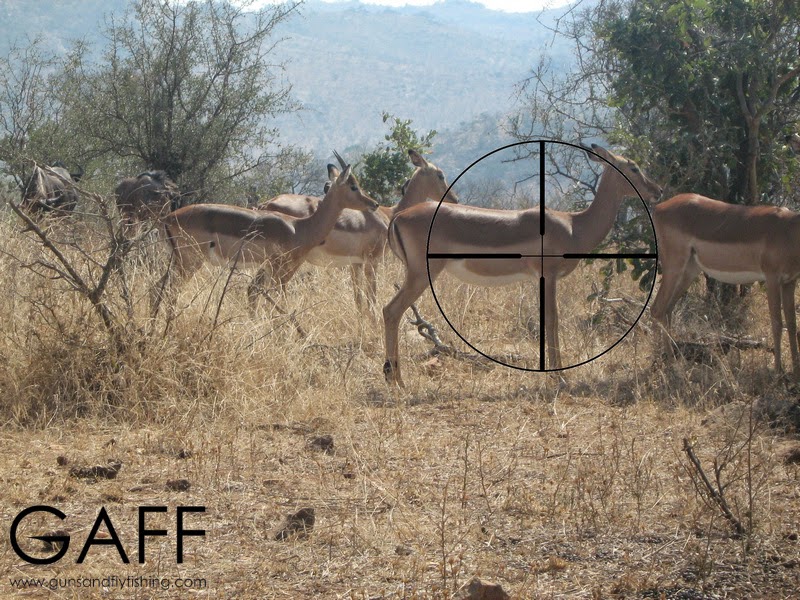
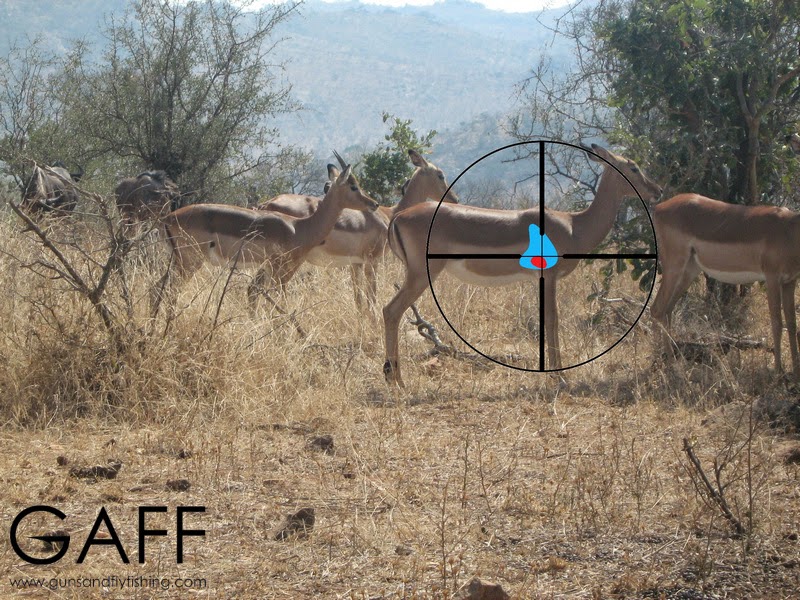
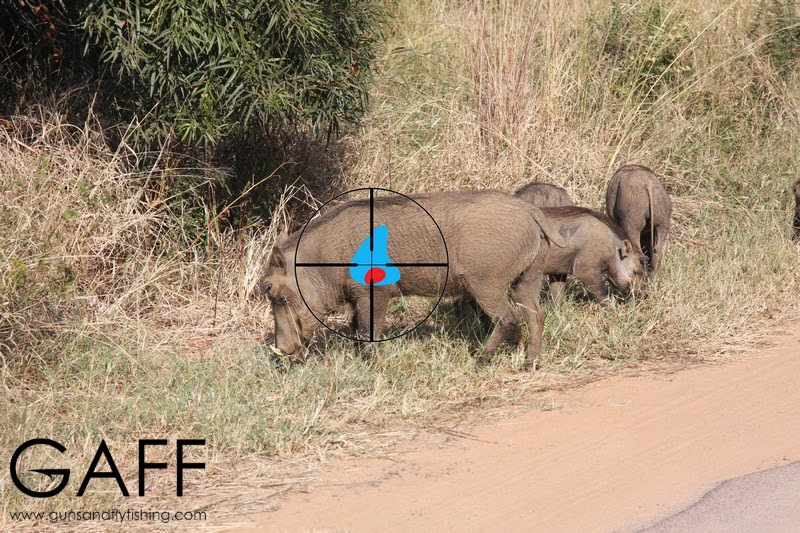
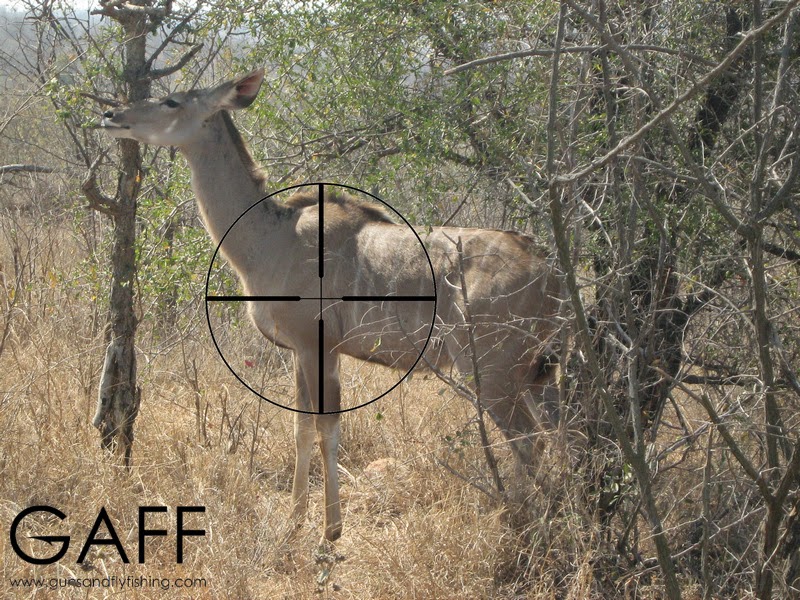
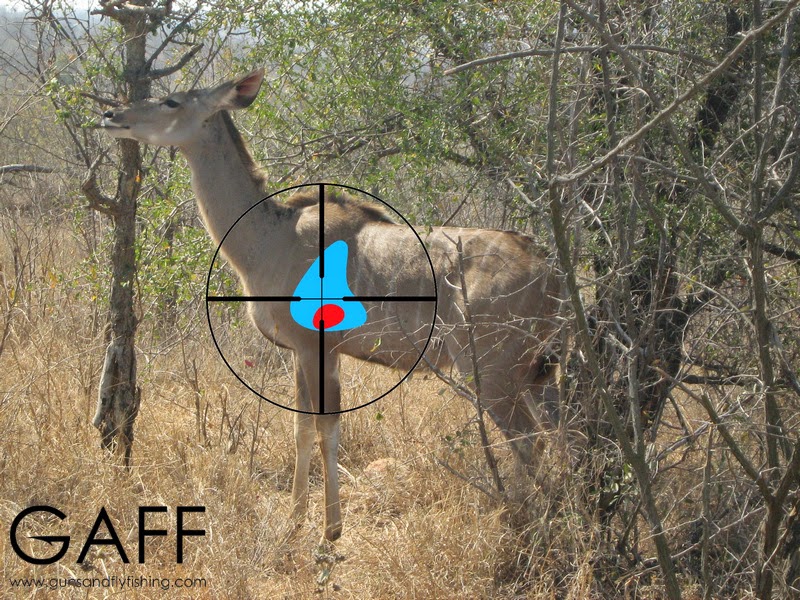
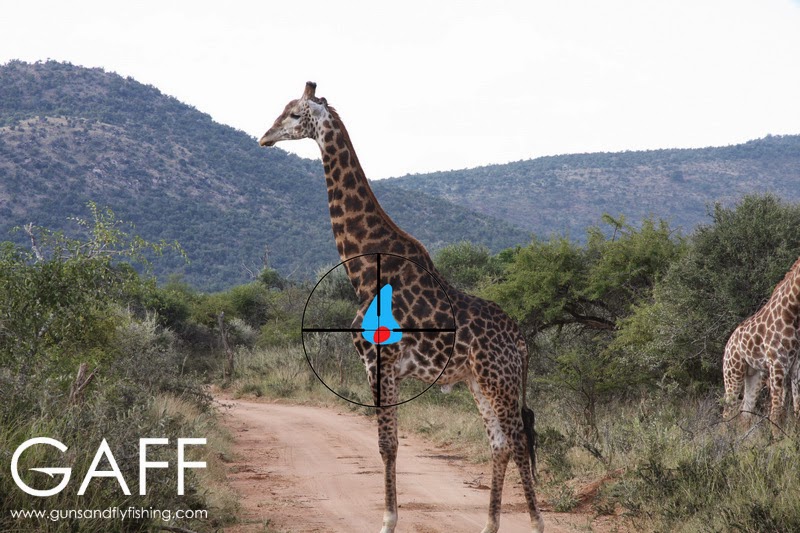
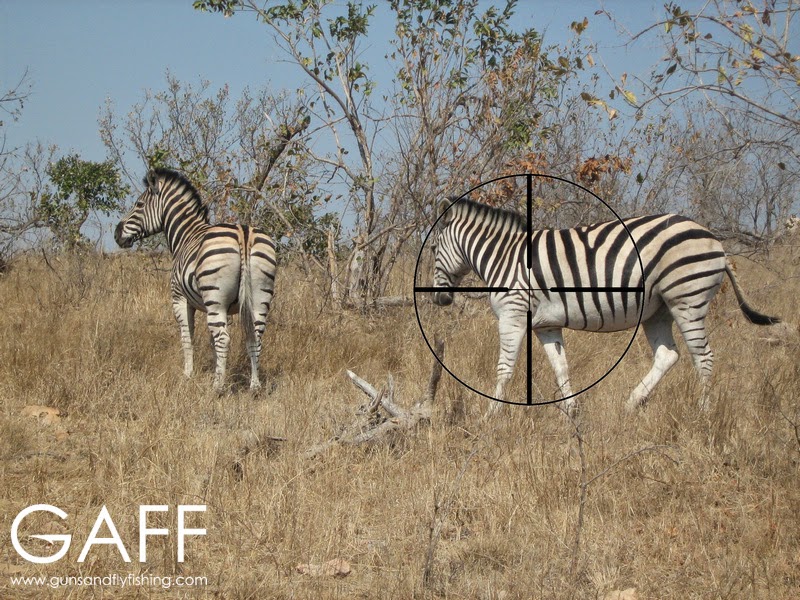
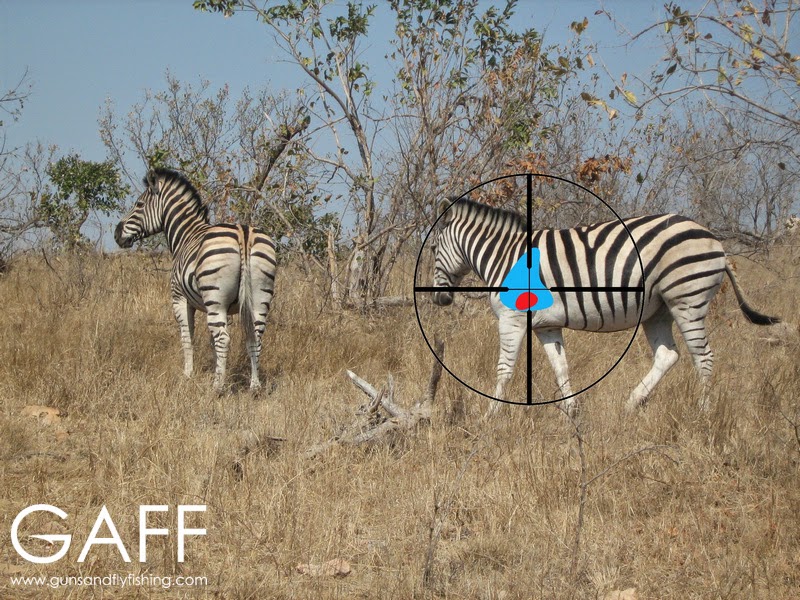
As a rule of thumb and with all other factors being equal, the quickest reference for shot placement on an animal standing in a broadside position is to go up on the front leg of the animal with the crosshair and to stop and take aim approximately one third up from the bottom of the animals chest.

Zebra Hings.jpg

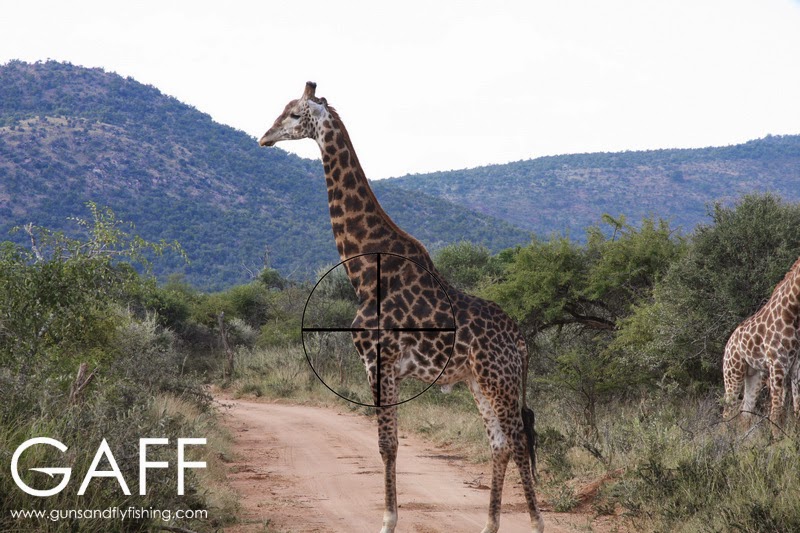
When an animal is facing quartering away the safest shot is to go up between the two front legs of the animal with the crosshair and to stop and take aim approximately one third up from the bottom of the animals chest. The same will apply for a frontal shot, but this only applies to rifle hunting and with an adequate caliber. It is not advised to take frontal shots with archery equipment, except for Giraffe perhaps where a frontal shot in some cases can be the most effective of shots to take.

Remember that animals won’t always stand still when you are taking your aim and it is important to study their behavior to better anticipate their movement. This might sounds strange but bowhunters who often hunt Impala and Warthog (notorious string jumpers) will know what I am talking about. Sometimes people also take aim and instinctively pull the trigger as soon as the animal starts to move, in fear of it “getting away”, causing an almost 100% chance of wounding the animal.

Let’s have a look at a few Southern African plains game species and the suggested shot placement for them:

Impala

Impala-hunting-shot-placement (3).jpg Impala-hunting-shot-placement (1).jpg

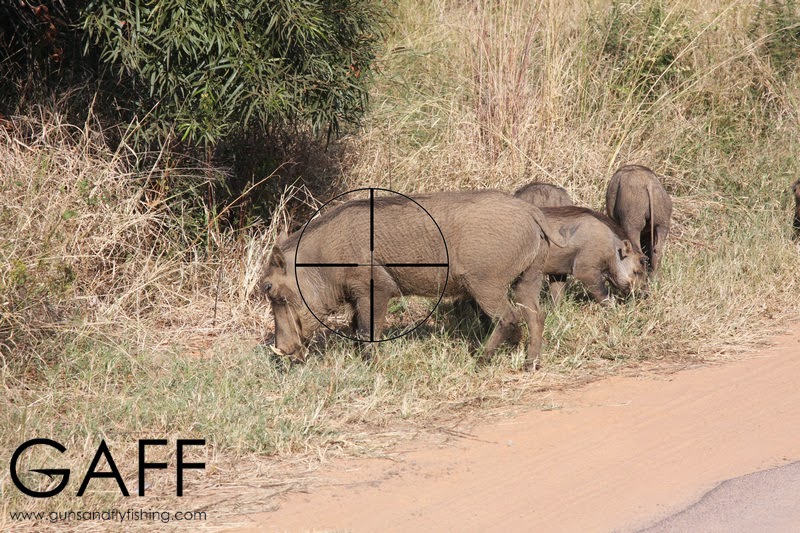
Warthog

Warthog-hunting-shot-placement (2).jpg Warthog-hunting-shot-placement (4).jpg

Kudu

Kudu-hunting-shot-placement (4).jpg

Kudu-hunting-shot-placement (2).jpg

Giraffe

Giraffe-hunting-shot-placement  (2).jpg

Giraffe-hunting-shot-placement  (1).jpg

Zebra

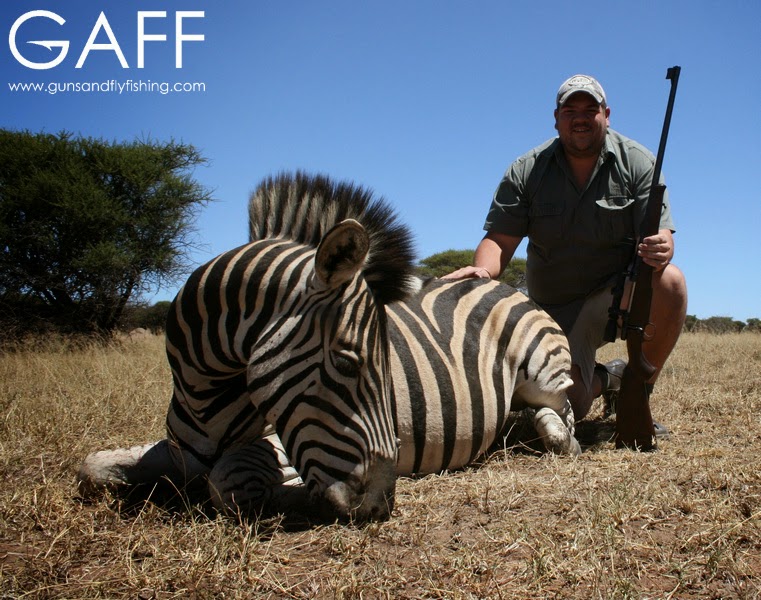
Zebra-hunting-shot-placement.jpg Zebra Vitals.jpg

*Please note that the blue and red “vitals” illustrated in the above images are merely an indication of where the vitals are situated and they do not necessarily reflect the true anatomy of the animals.

© 2015 Guns and Fly Fishing. All Rights Reserved.
Using QuickLOAD to Reload Ammunition

By Emile Smit

I recently bought a Tikka T3 rifle in .308 Winchester, after doing a lot of research about various rifle manufacturers and calibers. I was looking for an all-round rifle and calibre that would be suited to hunting the majority of plains game in South Africa. Although there are many great all-round calibers that would have sufficed, the venerable .308 Winchester was my preferred choice.

tikka_t3_hunter.png

The Tikka T3 got the nod as it was lighter that the other rifles that I was interested in and they are known to be very accurate out of the box. I know a lot of people prefer a heavier rifle which ensures a steadier aim and a reduction in recoil, but I prefer to carry a light rifle when I am walking long distances in the bush.

Even before I took ownership of the rifle, I was advised by many people to reload my own ammunition when the time comes, in order to achieve optimum accuracy with my rifle and with the added benefit of savings costs. I applied for my firearm license at the SAPS and after a few months my application for the Tikka was approved.

20140712_164519_002_resized_1.jpg

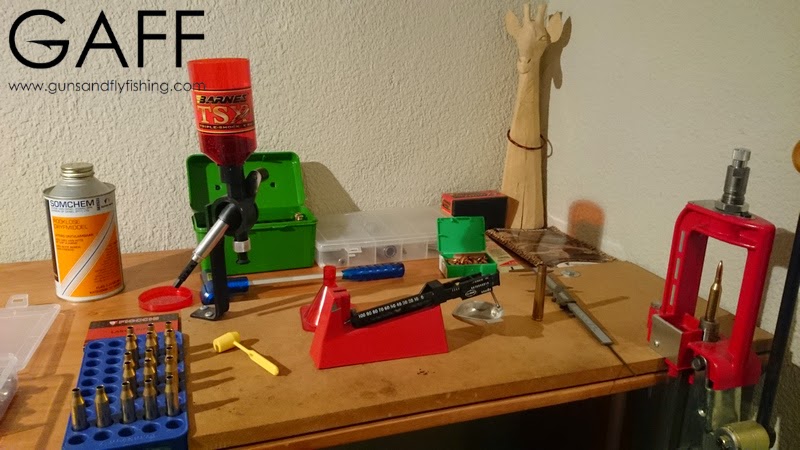
I then obtained my own re-loading equipment and I was ready to load my own ammunition. When I started out I referred to the Somchem (a South African propellant manufacturer) booklet and I loaded from the suggested minimum load upwards in 0.5 grain increments, to 0.5 grains below the specified maximum.

This method is called the “ladder method”, where you shoot multiple 5 shot groupings with different loads (in 0.5gr increments), after which you pick the smallest grouping to develop further. You can then fine tune the load by shooting additional 5 shot groupings with minor changes in the load and the COL (cartridge overall length). This is then done until a 5 shot grouping with the desired MOA accuracy is obtained. This is however dangerous as the only signs of high pressure are visible signs and there is no other indication of pressure.

After getting good results at the range with 150gr Hornady Interbond bullets, Hornady unfortunately stopped producing them. I was then advised to opt for Nosler Accubond bullets, but there weren’t any available in South Africa at the time. I then went for Nosler BT (Ballistic Tips) which was the closest thing that I could get to the Accubond bullets. This however meant that I had to start over from scratch with my load development. At this stage I had probably shot more than 200 rounds of ammunition (+- R3000) with no load (or grouping) to show for it.

DSC_0006.jpg

I learned the hard way that the R2300 for QuickLOAD from JMS Arms is more than worthwhile, as the cost of brass, propellant and bullets don’t come cheap. My goal was to shoot as few as possible rounds of ammunition on the range in order to get the most accurate load for my rifle. This was my main motivation behind acquiring QuickLOAD as I had already paid my school fees.

The QuickLOAD software assists the re-loader to understand certain important aspects such as pressures, velocities, effects and the importance of changing a single variable in the reloading procedure. Keep in mind that each rifle is different; it doesn’t matter if they are both of the same caliber, have the same specifications or is from the same manufacturer.

All rifles have different chamber dimensions, maximum cartridge lengths etc., thus the rifles will handle pressure differently. So NEVER give someone a load which worked in your rifle and expect the same for his, as this has led to many injuries and exploded guns.

Getting Started

In order to calibrate a QuickLOAD, the following information is needed:

(Example)

Rifle and Caliber: Tikka T3 in .308 Winchester
Bullet: Barnes TTSX BT 150gr
Brass: Lapua Cases – H20 volume: 54.95gr
Barrel length: 570mm
Measured COL: 71.71mm
Primer: Fiocchi large rifle primer
Propellant: Somchem S321
Case length: 50.95mm
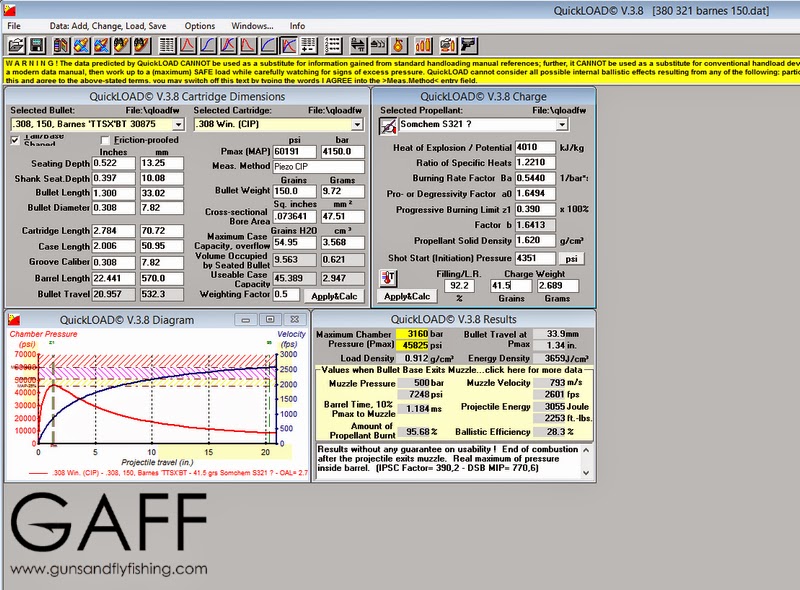
Average velocity: 2601fps with 41.5gr S321

When you open QuickLOAD the following screen will appear:

QuickLOAD-Reloading-Ammunition-Accuracy (1).jpg

Step 1
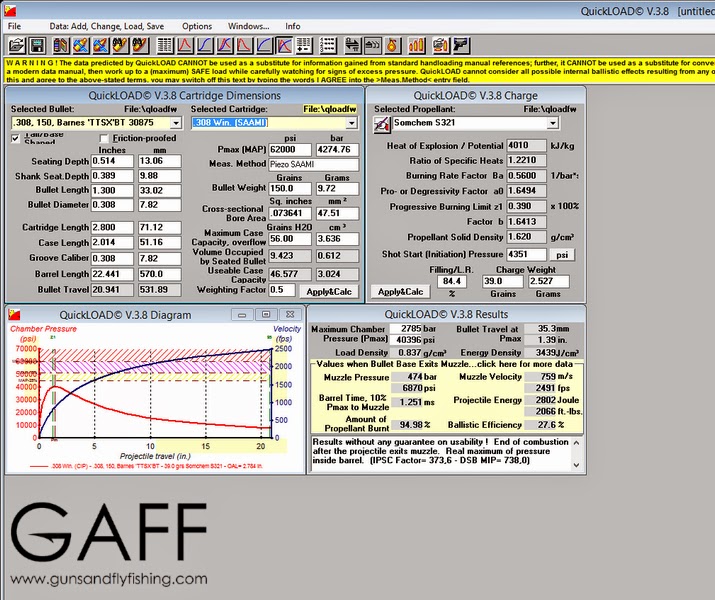
On the left hand side of the screen, you will find a drop down field (Selected Cartridge) where you can select the desired cartridge. When you select this cartridge, in this case .308Win. (SAAMI), the data fields below will change to adapt to the specifications of the chosen calibre. This is relevant to the maximum pressure; core sectional bore area, the groove calibre etc.

Step 2
Now select the required bullet (Selected Bullet) to continue. In this case it is .308, 150, ‘Barnes TTSX’BT 30875. The data fields below will again populate with regard to the selected bullet’s specifications. The affected fields will be, bullet length, the bullet diameter etc.

Step 3
The next step is to adjust the cartridge length and case length (the standard default length is already visible) to your specific load.

Step 4
Change the default barrel length to match that of your own rifle, this is measured from the bolt face to the crown of the barrel (make use of a cleaning rod).

Step 5
The next and final variable to be altered on the left hand of the screen is the maximum case capacity overflow. Measure the H20 volume of a few fire formed cases, taking into consideration that the water must be exactly level with the case mouth. Add one teaspoon of Sunlight dishwashing liquid in the water, as this helps the water not to bulge over the mouth of the case. Use a minimum average of 5 cases, which is then measured in grains. An electronic scale will be needed in order to weigh the brass.

Weigh the empty fire formed brass first and then weigh the brass filled with water. After doing this you can subtract the empty weight from the full weight. The answer will then give you the H20 volume of each case. Please remember to number each case before weighing them, or you will not get accurate results (for obvious reasons).

Step 6
We then move over to the right hand side of the screen. Here the first option available is to select the powder/propellant that you are using (Selected Propellant). You will see that all the fields beneath the propellant are greyed out; this is the properties of the powder (we will go into more detail about this at a later stage).

QuickLOAD-Reloading-Ammunition-Accuracy (3).jpg

Step 7
Insert the charge into the field beneath the propellant property and press calculate on both sides. The results will now appear in the fields at the bottom of the screen.

A few important numbers to take into account are the following:

Pressure max – If you go into red, it’s getting dangerous.
Filling of the case – Performs better close to 100%.
Ballistic efficiency – It is best above 30%.

It is important to understand the roles which each of the individual variables play in the outcome of the proposed load. Only then will you also understand what influence the variables have on the pressure, velocity etc. of the selected calibre and bullet.

Step 8 (Advanced Calibration)
The first thing that we need to talk about is OBT (Optimal barrel time combustion) and what it means. Each rifle barrel has a specific node or nodes where the rifle will perform at its best. QuickLOAD helps you to predict the velocity that you must achieve in order to get to one of these nodes in your rifle with a certain bullet.

First make sure that all your variables (step 1 to 7) have been entered correctly. Prepare 5 rounds at a safe charge (the prescribed minimum) and make use of a chronograph to capture the speed of the bullet which will then enable you to calculate an average velocity for the load. After calculating an average speed, enter the data in QuickLOAD as well as the charge weight that you used to get the speed.

You will see that the velocity you get from the chrony might differ from the velocity (fps) that QuickLOAD initially predicted. This can be due to a number of reasons such as: different batches of propellant, a tight barrel, the twist rate of the barrel, different types of primers etc. We now have to calibrate the propellant to give the same speed as what we measured with the chrony at the range.

Click on the hand with the pencil icon next to the propellant selection field, this will open the previously hidden fields below to be edited. We will only change the Burning rate factor (Ba) up and down to get to the range velocity.

QuickLOAD-Reloading-Ammunition-Accuracy (2).jpg

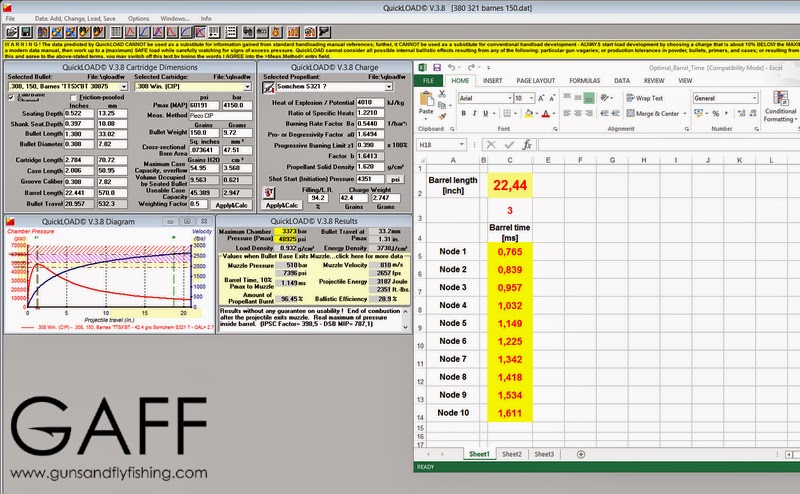
The next step is to calculate the node or OBT. This is done by entering your barrel length in an Excel calculation sheet which will then display your different nodes. Your goal is to reach the highest node without exceeding the maximum pressure. This is done by increasing and decreasing your charge weight which changes your OBT in the process in order to match one of the nodes calculated in the spreadsheet.

As you can see, node 5 can be reached at a velocity of 2657fps and a projected charged weight of 42.5gr.

Conclusion

Please be advised this is just a brief overview of QuickLOAD, merely to demonstrate that it’s not as complicated as it seems to some. The software is definitely worth every cent, especially if you have more than one rifle and you wish to reload different bullets weights for each rifle.

DSC_0128.jpg

Remember that it is absolutely essential to own a chronograph before acquiring QuickLOAD, as you have to measure the speed of your bullets, otherwise QuickLOAD will be of no use. Also remember that the chrony has to be placed 5m from the muzzle of your rifle and that there should not be any direct sunlight on the chrony itself when measuring speeds.

*Please note that neither I or Guns and Fly Fishing will be liable for any damages, injury or fatality caused by making use of the above-mentioned information. All information regarding the QuickLOAD software and the reloading of ammunition is used at your own risk. It is advised that you seek professional assistance before attempting to use QuickLOAD or to reload ammunition.

© 2015 Guns and Fly Fishing. All Rights Reserved.
Flydotfish Fly Fishing Safaris

Every man has a dream and Flydotfish is Henkie Altena’s. The mission of Flydotfish is to provide a premium guided fly fishing experience backed up by a team of passionate and experienced guides. Henkie and his team don’t try to overcomplicate things; they’re just a group of friends offering an array of fantastic fly fishing experiences in remote and unique fisheries, at very reasonable prices.

Tigerfish-Fly-Fishing-Barbel-Run-Okavango (5).jpg

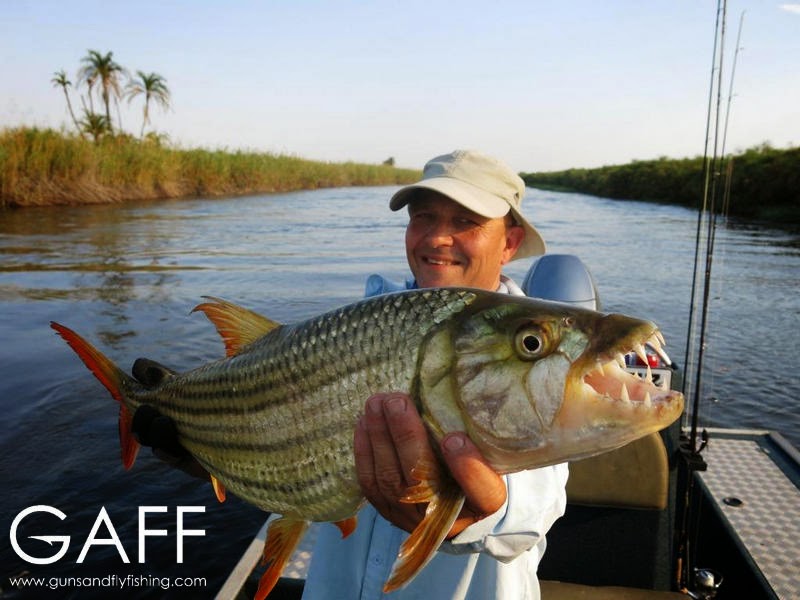
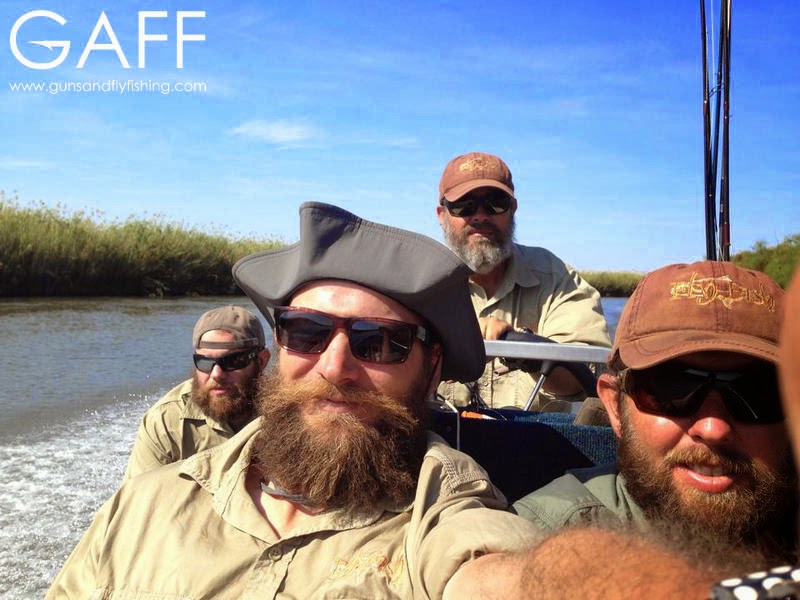
So where does Flydotfish operate? Currently, the flagship trip is the Okavango Barbel run. This trip caters for groups of 6-10 anglers on 3-4 boats from a private area in Sepupa, Botswana. The location of the camp in Sepupa was strategically chosen as the Barbel run is not one single event but thousands of individual feeding frenzies of marauding Barbel (Sharptooth Catfish) that flush baitfish out of the Papyrus when the river reaches a certain level. The location of the camp is thus important as the Barbel runs move up and down the length of the Okavango panhandle.

Tigerfish-Fly-Fishing-Barbel-Run-Okavango (2).jpg

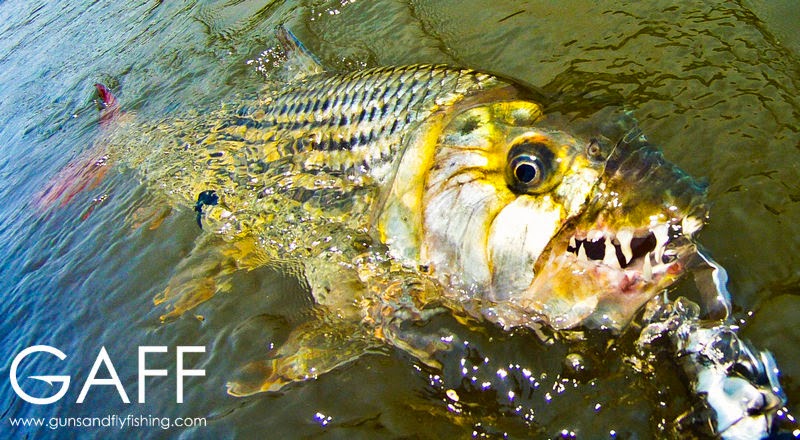
The implication of this is that if you are situated in the middle of the area, regardless of where the activity is, you do not have to travel for hours to reach the action. Less travel time means only one thing… more time for fly fishing! Following the flocks of birds and positioning the boat near the water, boiling with fish activity. Fly anglers can then cast some of Henkie’s custom tied Tigerfish flies, and strip their lines in anticipation of a striped water dog to attack their offering. The key is not to throw into the schools of feeding Barbel but on the outskirts where the tigers are darting around and chasing down baitfish.

Tigerfish-Fly-Fishing-Barbel-Run-Okavango (9).jpg

Tigerfish-Fly-Fishing-Barbel-Run-Okavango (1).jpg

When everything falls into place, it is not uncommon for all anglers on board to hook up at the same time, which is something that really gets the guides excited. The trip consists of 5 days fishing and they have had clients bagging over 100 fish during a trip on fly! From a size perspective, the fish tend to be smaller than on the Zambezi, with 10-12lbs being a trophy fish. To witness a natural phenomenon like the Barbel run is something that should be on every angler’s bucket list.

Tigerfish-Fly-Fishing-Barbel-Run-Okavango (8).jpg

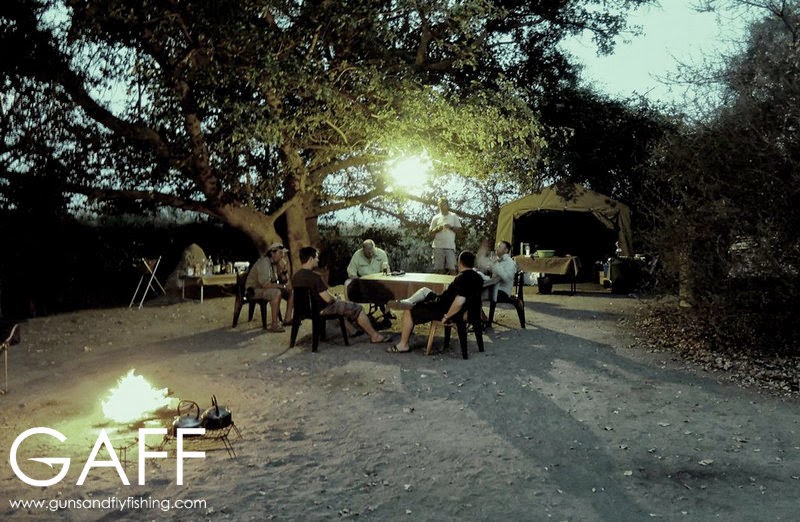
The Flydotfish camp is rustic but comfortable and the food and ambience is second to none. This make guests feel like they are on a fishing trip with friends rather than being just another client at a fishing lodge. Sepupa can be reached by vehicle (about 1500km from Johannesburg) and you can reach the camp in a sedan as the roads are all tar roads and in a good condition. The Okavango Barbel run is definitely a trip to consider, especially if you have never caught Tigerfish on fly or if you haven’t experienced the epic madness of a Barbel run before.

Tigerfish-Fly-Fishing-Barbel-Run-Okavango (4).jpg

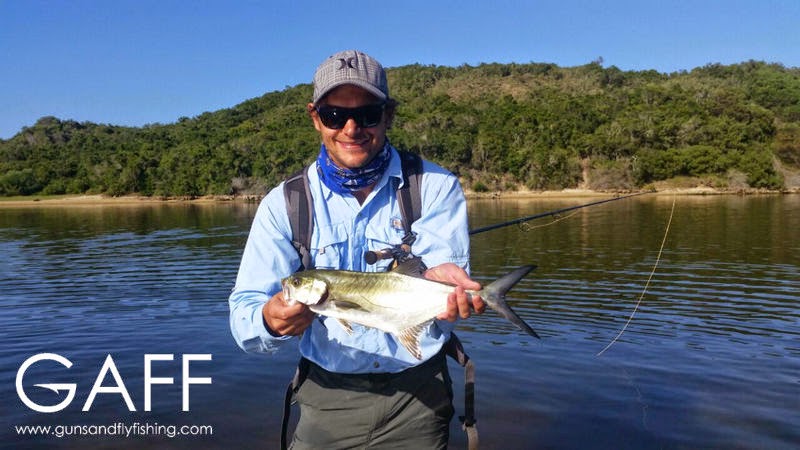
In addition to the Okavango trip, Henkie has also built up a reputation as being able to stalk, target and land the elusive Grunter on fly with his killer Sandprawn imitation. These fish have been called the poor man’s Permit as their notoriously stubborn nature can sometimes have them inspect and reject flies time and again. Pursuing Grunter on fly is a challenge and it requires the help of a great guide who knows an area well. Henkie has settled on the Sedgefield, Gouritz and Knysna estuary systems of the Garden Route to host his day trips and 2-3 night group trips, targeting not only the elusive Grunter but also the popper loving Garrick. These fish are a highlight in our estuarine systems as they eagerly follow and chase down well-presented baitfish imitations or foam poppers which can make for some explosive action on fly.

IMG-20141216-WA0000.jpg

In other developments, Flydotfish will soon announce the details and prices for a Knysna houseboat fly fishing experience. The package will consist of 2-3 nights fully catered (with lunches at Featherbed) including a guide for 2 people at a time, on a unique houseboat with an accompanying tender boat. This option will prove very popular for fly anglers keen to target Grunters and Garrick in the Knysna lagoon.

The final feather in the Flydotfish cap is the Vaalhoek Smallmouth Yellowfish experience on the Gouritz River. This remote and breathtakingly beautiful region sees very little people and even less fly fishermen. Healthy populations of Smallmouth Yellowfish are targeted on fly in the Gouritz River with traditional Yellowfish tactics.

Tigerfish-Fly-Fishing-Barbel-Run-Okavango (6).jpg

The remoteness and the peace and quiet makes this a great weekend getaway for a group of fly fishing friends. Swap stories of the day’s fishing beneath the Klein Karoo stars while Henkie and his team prepares the evening’s grub and ties up flies for the next day’s adventure.

Tigerfish-Fly-Fishing-Barbel-Run-Okavango (7).jpg

Flydotfish works in conjunction with Wildman Safaris who handles the reservations and marketing for the trips. This allows Henkie and his team to do what they do best; to guide keen fly fishermen in remote and special fisheries while they get to live out their dreams.

Tigerfish-Fly-Fishing-Barbel-Run-Okavango (3).jpg

To enquire about or to book a fly fishing safari with Flydotfish, please click on the link below:

Click here to enquire/book

© 2015 Guns and Fly Fishing. All Rights Reserved.
© 2026 Guns and Fly Fishing. All Rights Reserved.
Theme by Anders NorenModified by RooiWillie